A curated collection of articles, videos, and posts I find interesting, including what I think are the most important historical articles in computer science and AI. Let me know if you have any other articles that would go well here.
October 8, 2026
Natural, Artificial, and Human Intelligences
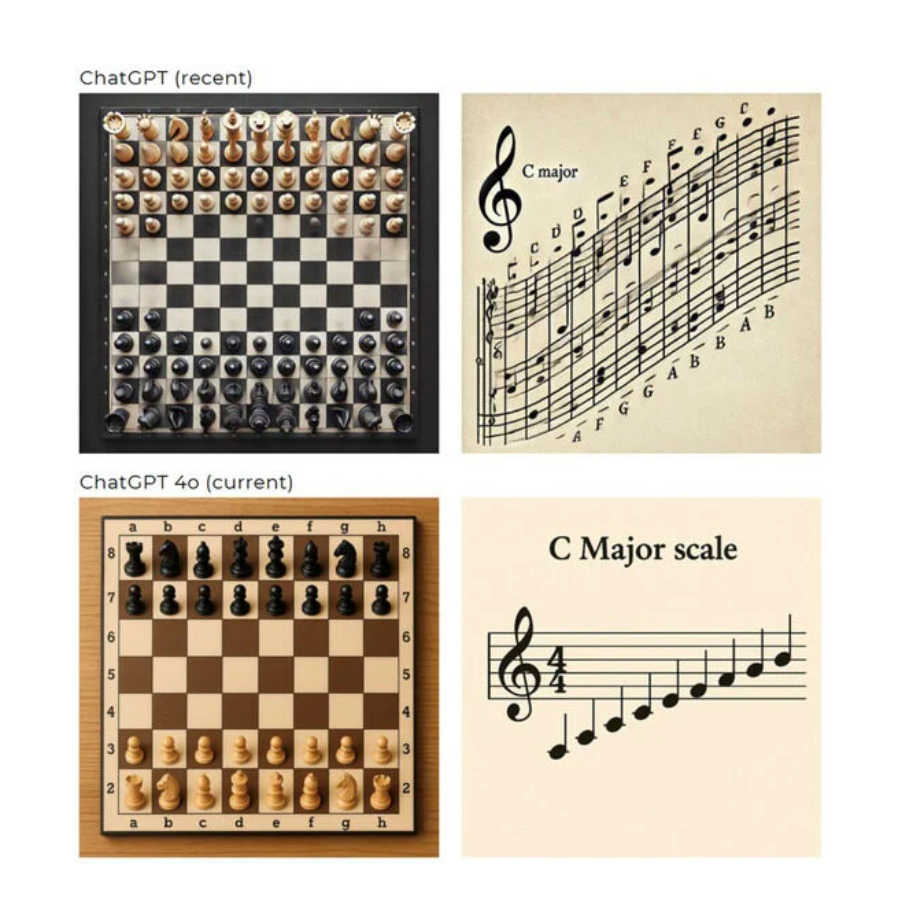
Emmanuel M. Pothos & Dominic Widdows / Journal of Intelligence
Dominic never fails to say interesting things...
August 22, 2026
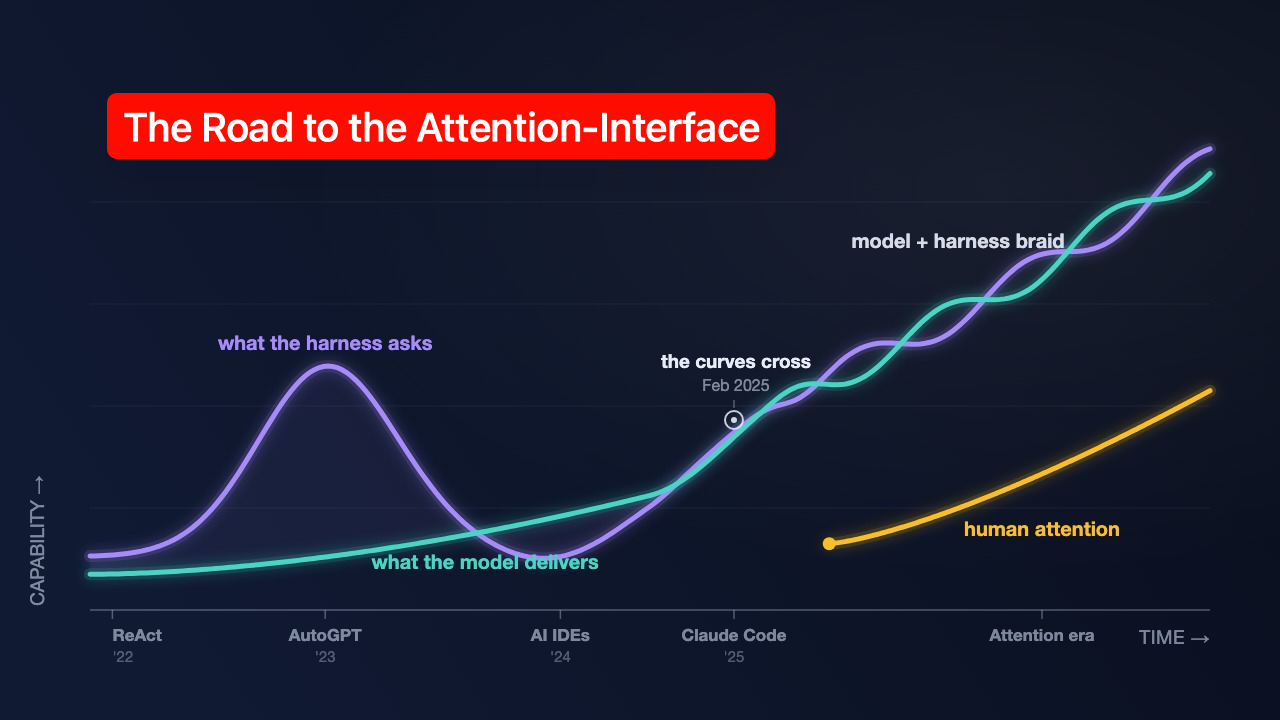
The Evolution of the Agent Harness
Dan McAteer / Latent Space
harnesses are the new currency of the realm
August 20, 2026
Strange People … But Very Smart
Roberto Pieraccini / The Voice in the Machine
its this kind of creativity that has come back to tech. its wonderful to see!
August 8, 2026
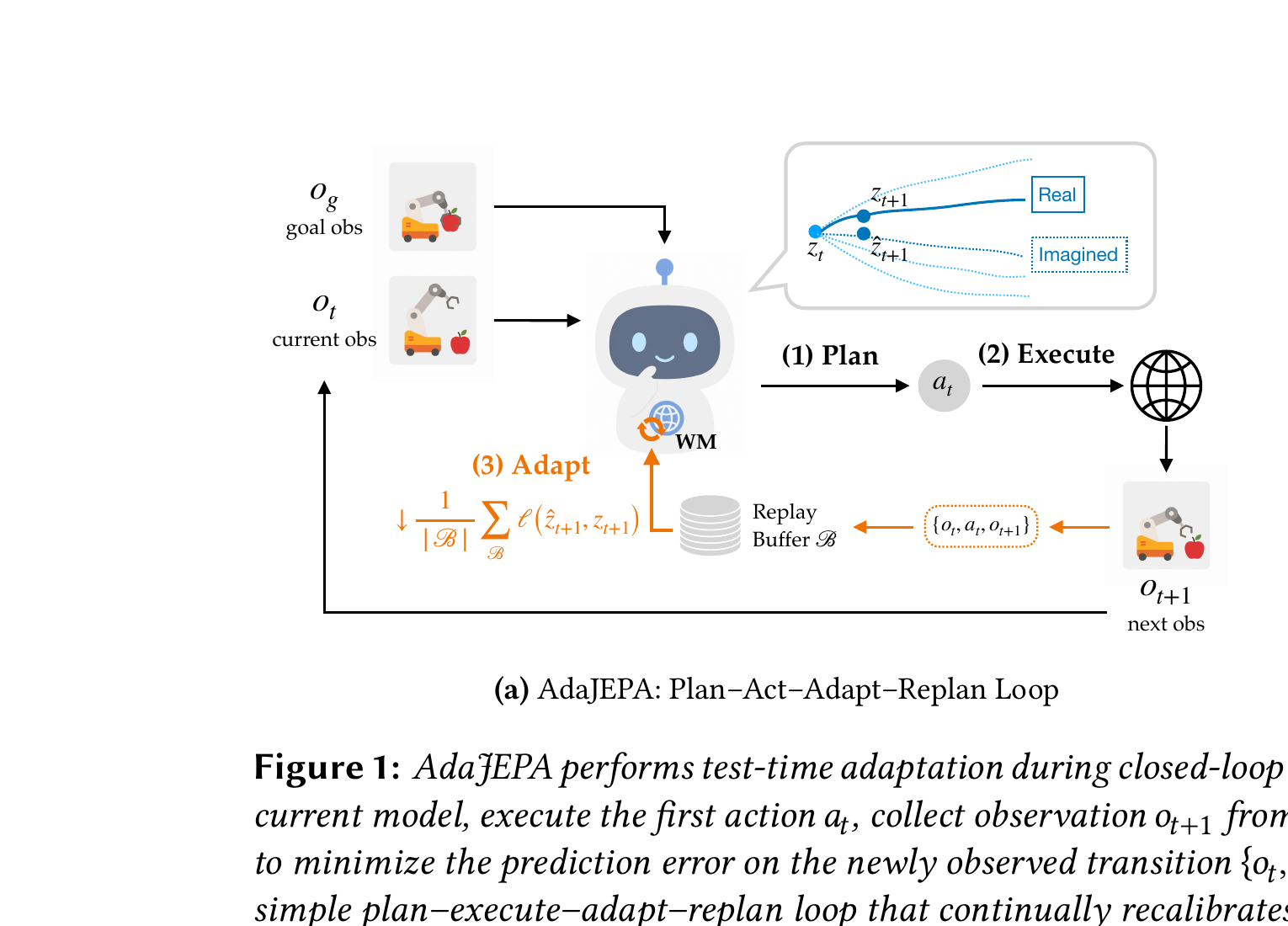
AdaJEPA: An Adaptive Latent World Model
Agentic Learning AI Lab
World models are getting even better. This concept of adapting is starting to look more and more similar to how we learn…The paper is worth your time. Yann and his posse are doing amazing work. Now I want to see the Fusion of reasoning models with World Models move ahead…
July 24, 2026
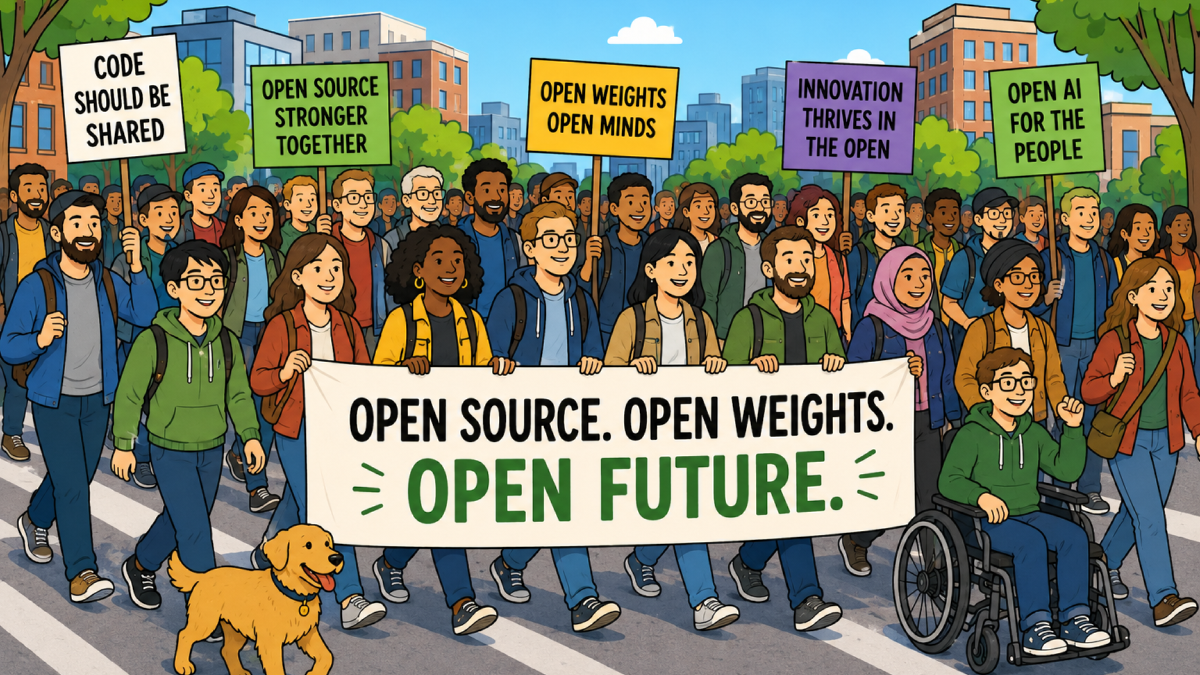
Kimi K3 Redraws the Open Frontier
Andrew Ng / DeepLearning.AI
Andrew Ng tells how he sees the open/closed debate pretty clearly...
July 8, 2026
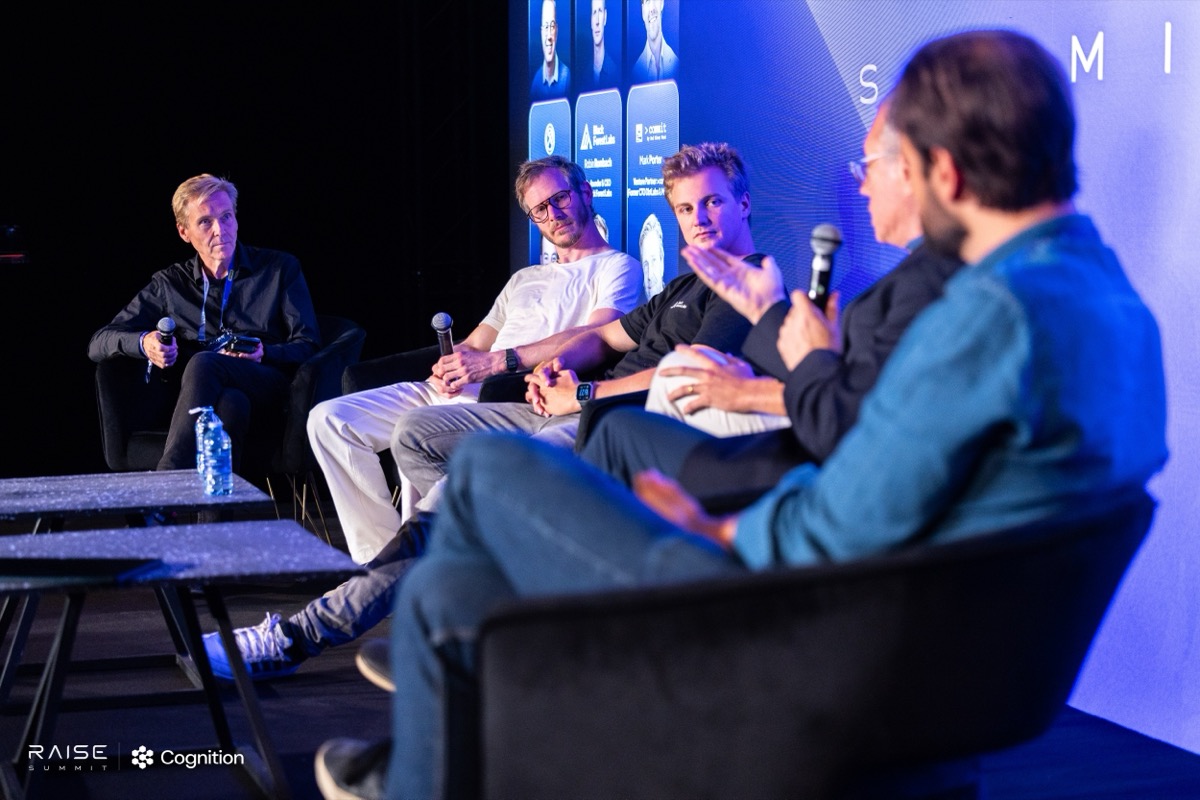
RAISE 2026, Paris: From Research to Reality: Why Open Source Is the Engine of AI Innovation
Mark Loves Tech
I very humbly moderated a panel with Ion Stoica, Thomas Wolf, Dillon Rolnick, Eiso Kant, and Robin Rombach (wow, can anybody say 'imposter syndrome'...) on why open source is so important for AI to exist and to help us avoid dystopian outcomes. Watch it - lots of smart things were said by everybody other than me.

July 6, 2026
A global workspace in language models
Anthropic
It makes sense that there are multiple layers of attention going on in transformer models. This is the very beginning of one more avenue to make AI safer. Since we can't control the motivations of an AI, it's good to know what it's thinking!
June 26, 2026
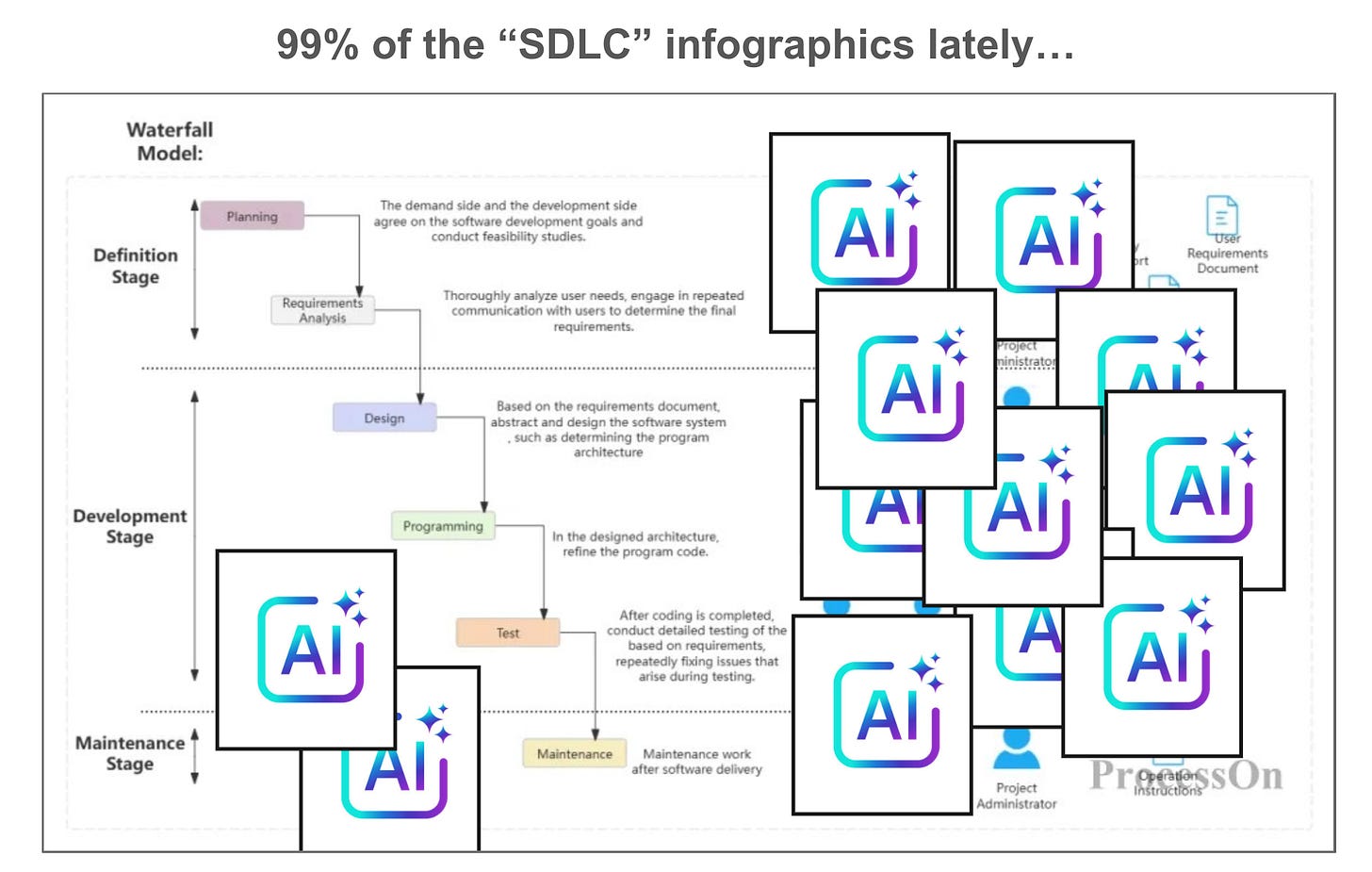
TBM 427: The Bottleneck Strikes Again
John Cutler / The Beautiful Mess
It's fun to watch humanity process this massive revolution and John does a great job of making it amusing and true at the same time.
June 25, 2026
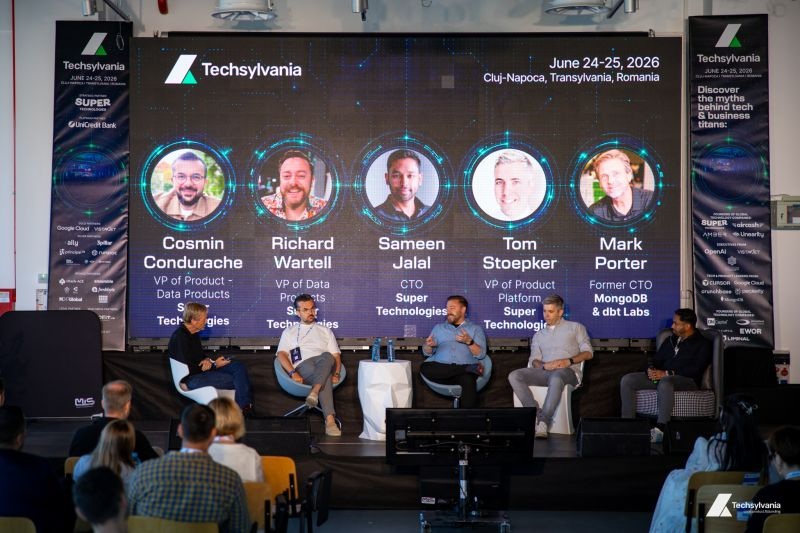
Techsylvania 2026: AI Adoption from the Trenches
Mark Loves Tech
Super Technologies Product and Tech is doing a leading-edge job of implementing AI, and I had the privilege of interviewing 4 of their leaders.
June 18, 2026
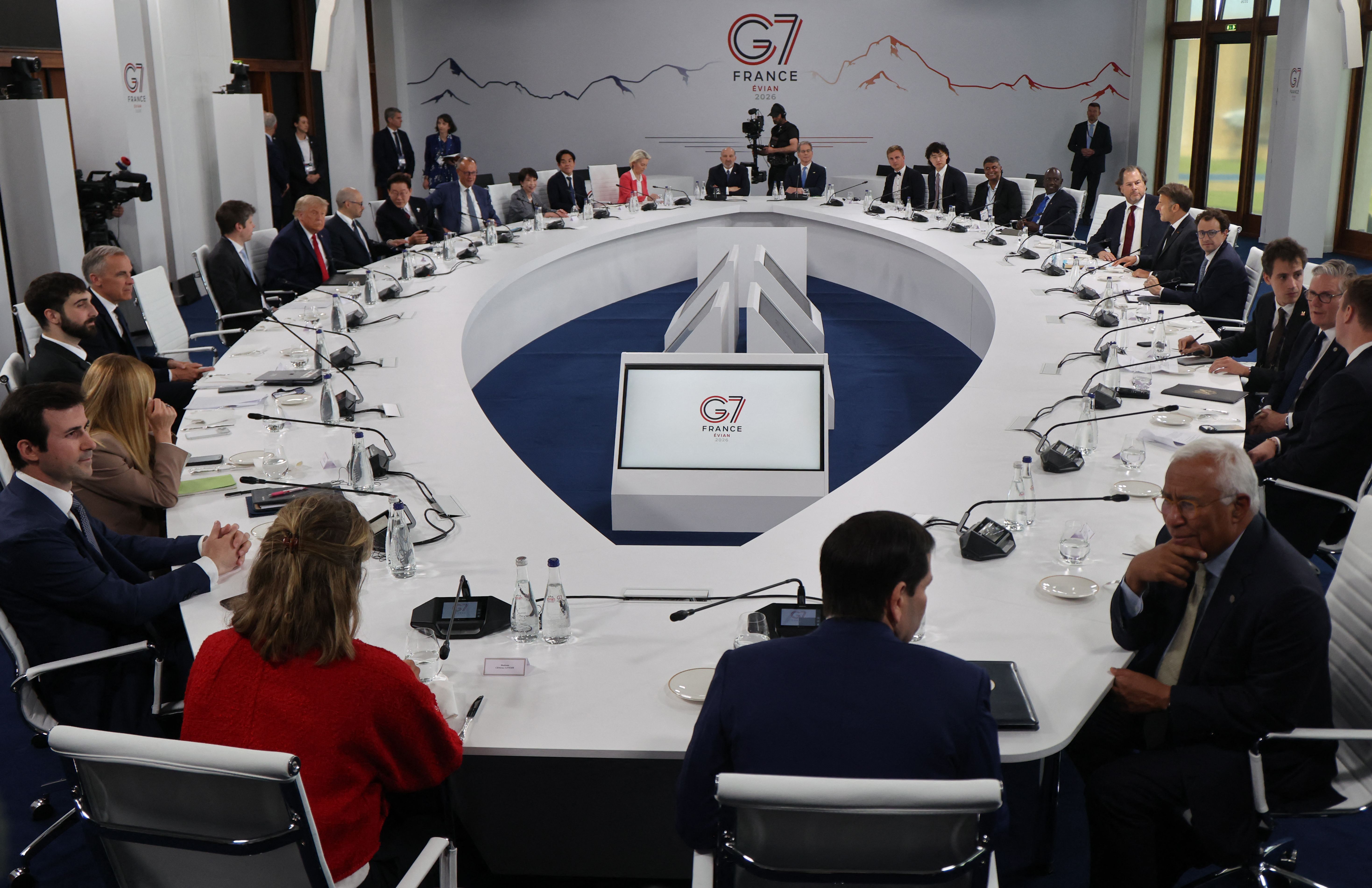
Our Co-Founder and CEO Urges G7 Leaders to Back Open Innovation
Robin Rombach / Black Forest Labs
Robin Rombach — co-inventor of Stable Diffusion and CEO of Black Forest Labs — made this case to G7 leaders in Paris. I was humbled to be on the same panel. I agree with him that we have a choice between an open and functional world or one that trends more towards dystopian.

June 8, 2026
TBM 425: AI and Agency
John Cutler / The Beautiful Mess
Very good points that most leaders bypassed good leadership on the way to AI adoption.
June 3, 2026
What's Old Is New Again
Robert Matsuoka
Bob continues to be right. I wonder how many tokens are going to being better craftspeople, not vibe-coding slop? I hope it's 50%+.

May 30, 2026
Domain Expertise Has Always Been the Real Moat
Aaron Brethorst
I love it when people say obvious true things succinctly. We are missing this in all the back-and-forth AI hype swings going on right now.

May 22, 2026
The Coddling of the Tech Mind
Nikunj Kothari
The last sentence is the essence of what's wrong in many companies today when it comes to agency and empowerment and thus engagement and impact. Enjoy!

May 16, 2026
Detecting and preventing distillation attacks
Anthropic
I applaud Anthropic's approach to being careful about China and their intentions.

May 5, 2026
When everyone has AI and the company still learns nothing
Robert Glaser
Nobody has figured this out - but this is a great description of the problem and a start at a solution.

April 29, 2026
10 Tricks That Will Make You the Best Listener in the Room
TIME
I found these useful and am still working on a number of them...

April 23, 2026
The "AI Vulnerability Storm": Building a "Mythos-ready" Security Program
Cloud Security Alliance Labs
Good intro to the impact of Mythos (preview). Attackers will have (already have?) tools like this — Defenders better have equivalent or better tools — and more urgency...
April 17, 2026
Every engineer should work this way...
The Pragmatic Engineer
I normally don't recommend podcasts, but this one is different. Up until 47 minutes in, you get to hear Boris' and Anthropic's origin story — and then for the remaining 45 minutes of the podcast you get to learn how Anthropic operates. Pure gold.

April 15, 2026
Anthropic shifts enterprise billing to per-token pricing. The flat-fee era is over.
Implicator.ai
Anybody who didn't think this was coming wasn't doing the math. But that's not the real point — which is that the market is desperately trying to find a stable equilibrium, which is needed. This is good.
April 2, 2026
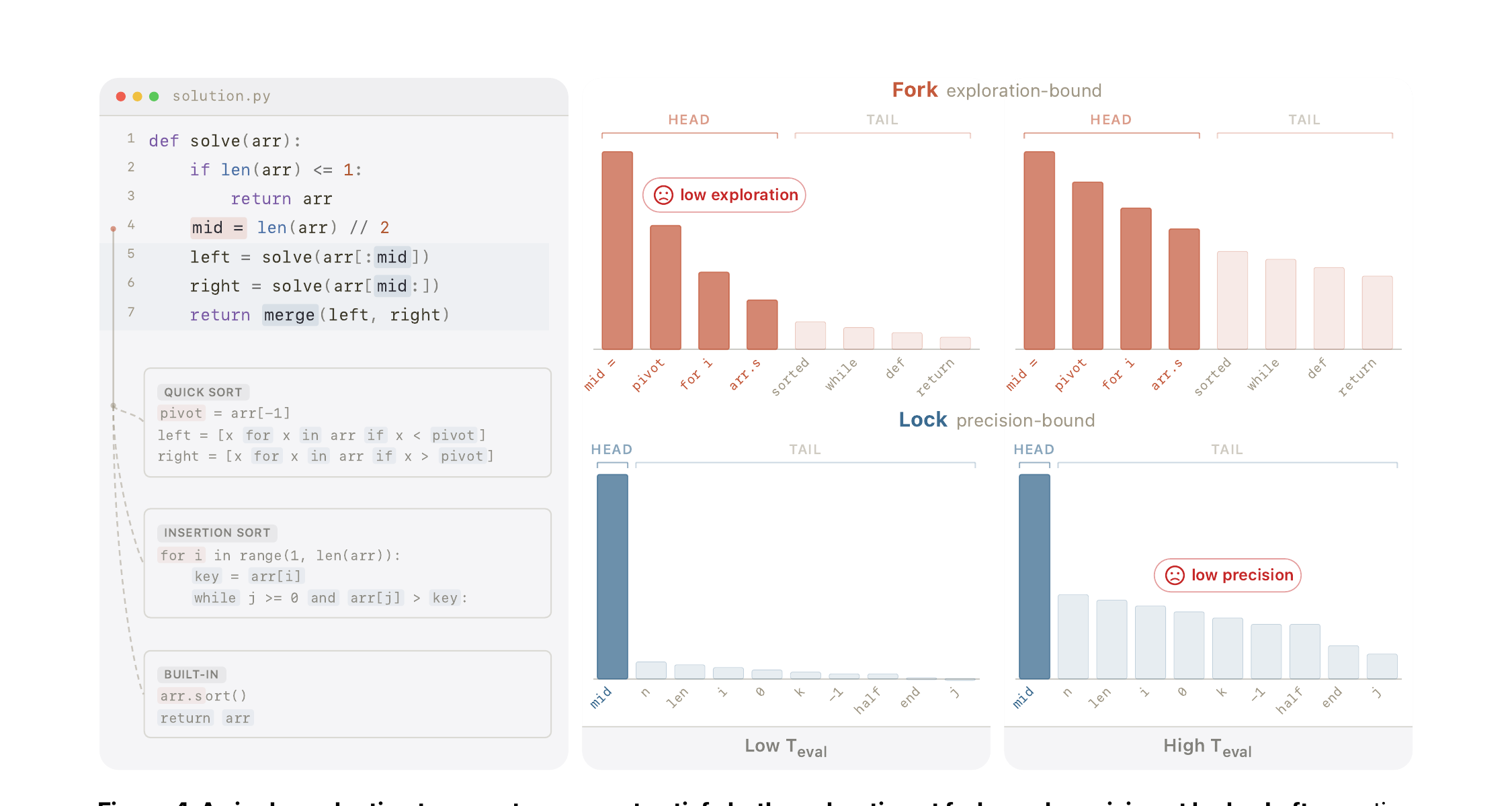
Embarrassing indeed
Apple
This paper shows how little we know about actually what happens inside LLMs. If we can change the behavior of an LLM by 10% by doing something so, as Apple says, embarrassingly simple, then it shows that we are in the early early days of this entire revolution that we are experiencing.
March 25, 2026
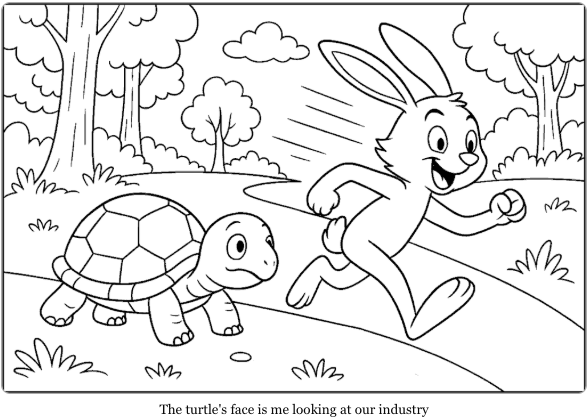
Thoughts on Slowing the Fuck Down
Mario Zechner
I don't necessarily agree with the extreme position here, but it does make some points. And... it's funny :-)
March 24, 2026
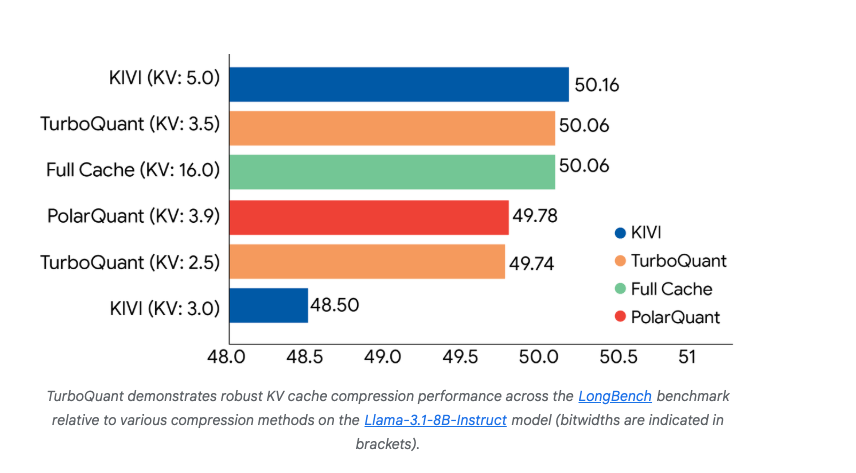
TurboQuant: Redefining AI Efficiency with Extreme Compression
Google Research
If inference gets 10x cheaper in memory, does the entire money-house-of-cards fall apart? Maybe we don't have to bankrupt the planet (i.e. the Matrix)
March 12, 2026
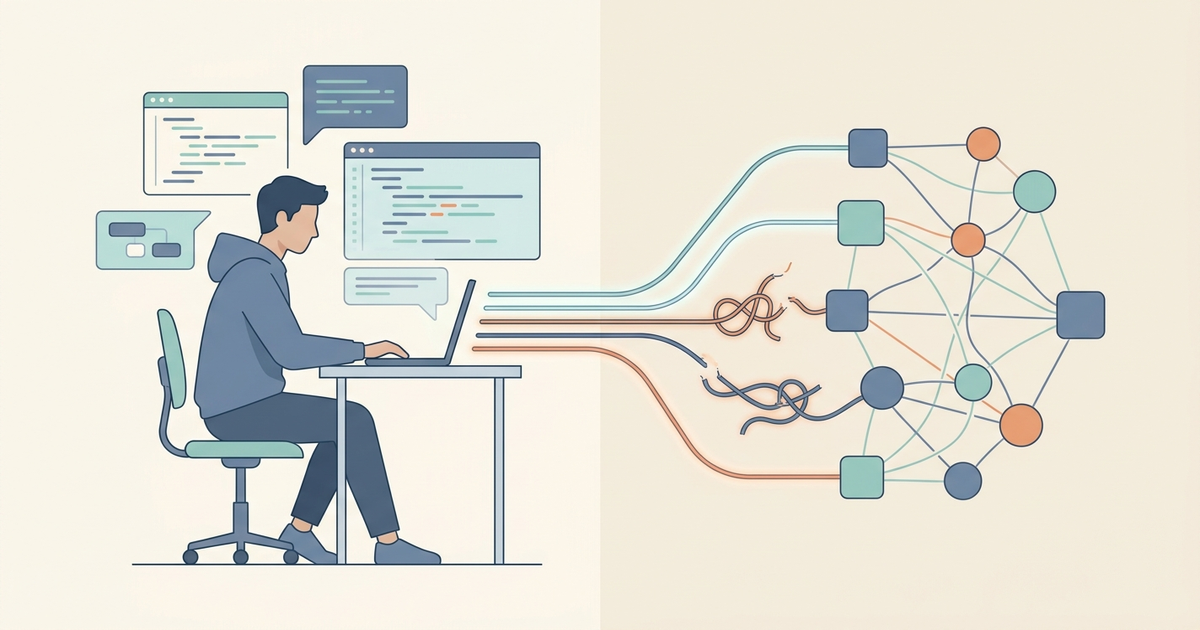
Months In: What Building with AI Actually Feels Like
Joe Lynch
Joe points out a lot of strengths and weaknesses in this article which happen to unsurprisingly (at least to me) align perfectly with Yann LeCun's concerns about the limitations of LLMs.
March 9, 2026
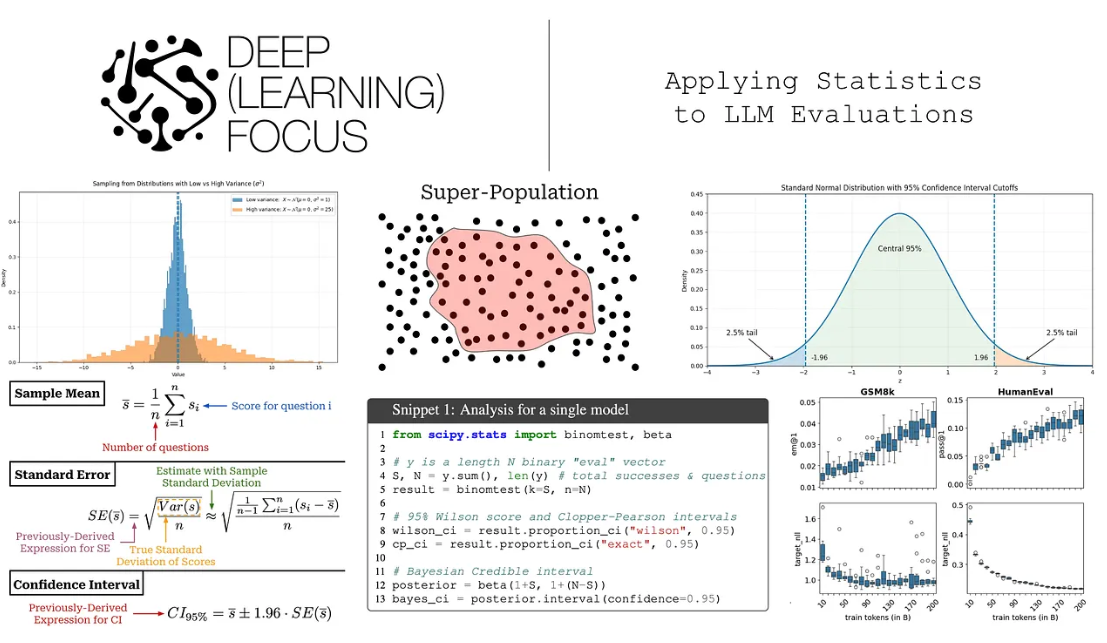
Applying Statistics to LLM Evaluations
Cameron R. Wolfe / Deep (Learning) Focus
I found this very clarifying at the basic level I needed.
March, 2026
Dylan Patel — The Single Biggest Bottleneck to Scaling AI Compute
Dwarkesh Patel
This house-of-cards of AI power consumption will fall. Bet against it. The silliness of this hype is unfathomable.

February 11, 2026
No Coding Before 10am
Michael Bloch / Substack
For any of you who've read "The Phoenix Project", you remember that Brett was the problem. Brett is no longer the problem. Deep meaningful thought about customers is now the limiting factor.
December, 2025
Why LinkedIn Is Replacing PMs with AI-Powered "Full-Stack Builders"
Lenny Rachitsky / Lenny's Podcast
My whole career, I've watched engineers pigeon-hole themselves into being water carriers for their PMs. This was always silly. Now it's unviable. EVERYBODY needs to have customer delight at the center of their cognitive decision matrix.

December, 2025
There Is Something Faster Than Light
Veritasium
Ok, this is completely off topic for my website. But enjoy it anyways!
October 11, 2025
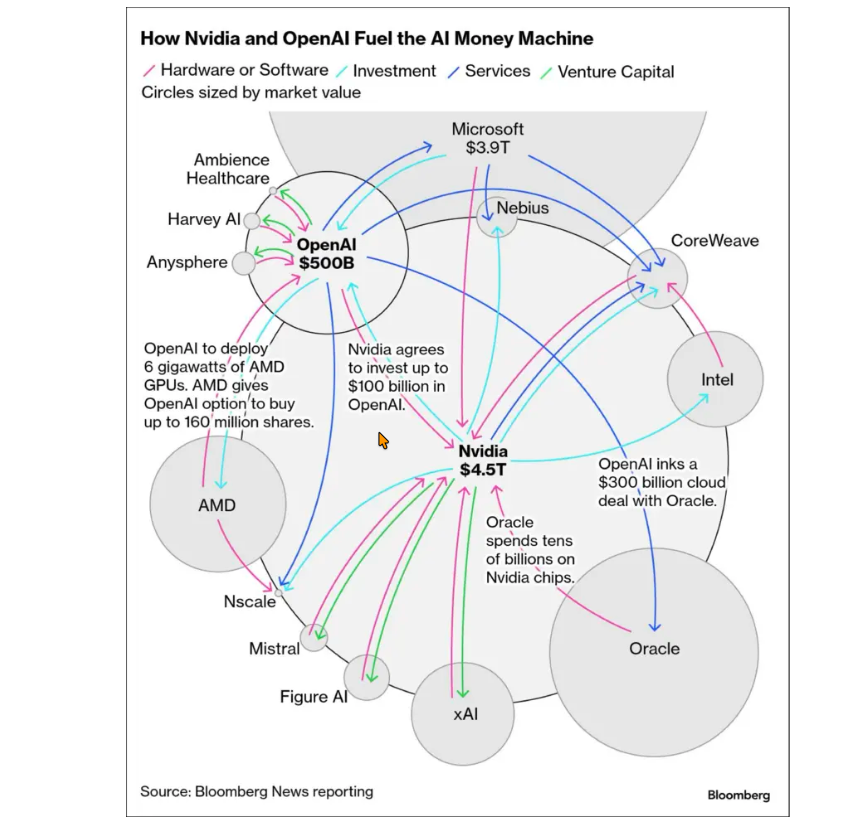
The Circular AI Money Shell Game
Ryan Levesque / The Digital Contrarian
Ponzi schemes always end up failing. And the billionaires will act surprised as all the people they lied to lose their money. There is a rea$on that all these people are giggling behind their hands as they lie to the rest of us.
August 27, 2025
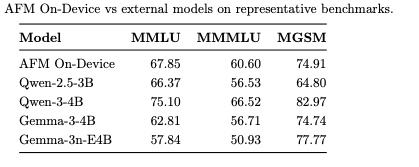
Apple Intelligence Foundation Language Models: Tech Report 2025
Apple / arXiv
Apple's tech report on their on-device 3B model and server-side Parallel-Track Mixture-of-Experts transformer powering Apple Intelligence — KV-cache sharing, multimodal, tool use, and Private Cloud Compute.
January 20, 2025
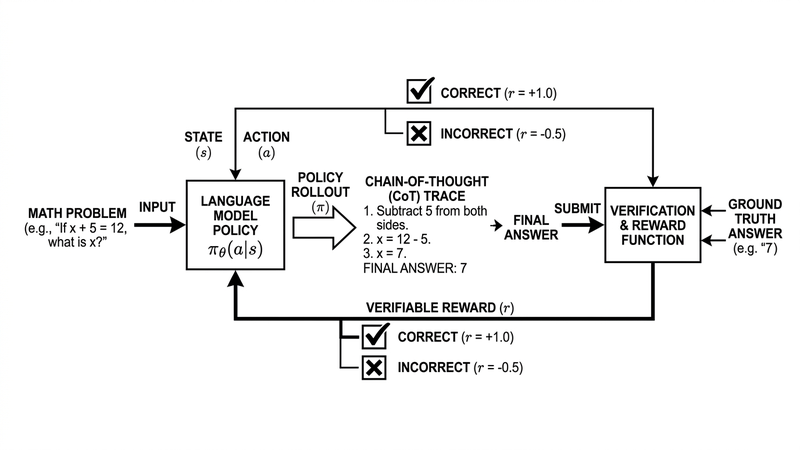
DeepSeek-R1: Incentivizing Reasoning Capability in LLMs via Reinforcement Learning
DeepSeek-AI / arXiv
DeepSeek matched OpenAI o1 on reasoning benchmarks for roughly one-tenth the training cost using pure RL with verifiable rewards. The cost moat assumption — that frontier AI required US hyperscaler budgets — ended with this paper. If you work in AI infrastructure, this is the paper that changed the economics of your industry.
November 19, 2024
2024 Accelerate State of DevOps
DORA / Google Cloud
Even in the AI world, this is no less relevant than it ever was.
September 30, 2024
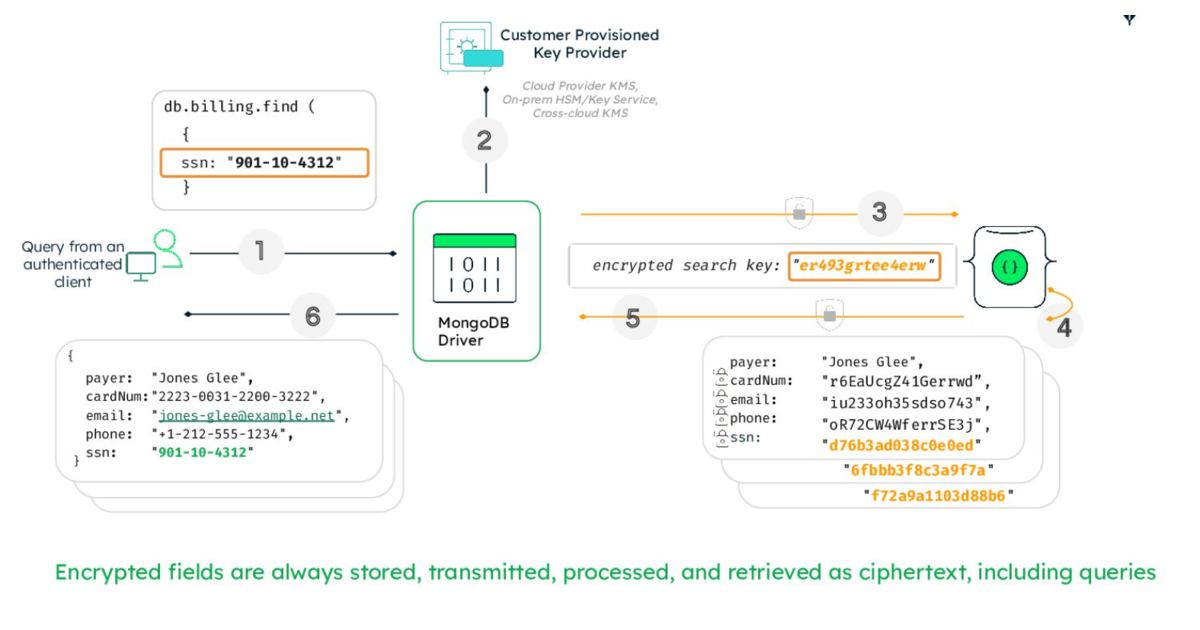
Queryable Encryption Technical Paper
MongoDB
Queryable Encryption, invented by geniuses Tarik and Seny and implemented by very clever Kenn White and others, is an underappreciated technology.

February, 2024
Is the "Modern Data Stack" Still a Useful Idea?
The Analytics Engineering Roundup
Tristan talks about how his initially groundbreaking idea is now changing. Sadly, despite the brilliance of Tristan, the success of dbt Labs, and a decade of work, data work still remains a hack at most companies.
January, 2024
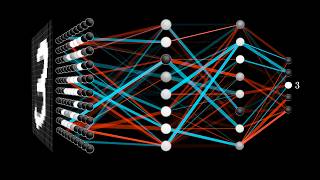
3Blue1Brown's Deep Learning Series — Seven Chapters That Actually Explain Neural Networks
3Blue1Brown
Grant Sanderson's seven-chapter visual walkthrough of neural networks, from the basics through transformers and how LLMs might store facts. The single best resource I've found for understanding what's actually happening inside modern AI.
March 22, 2023
Sparks of Artificial General Intelligence: Early Experiments with GPT-4
Bubeck et al. / arXiv (Microsoft Research)
This paper arrived before GPT-4 was publicly available and argued — in 100+ pages of examples — that what we were seeing was qualitatively different from prior AI. Not everyone agreed with the framing, but watching a model solve novel problems in mathematics, law, and vision with human-level competence made it hard to argue the old benchmarks were still the right frame. The Sparks debate set the tone for everything that followed in 2023.
February, 2023
dbt Labs Names Data Industry Veteran Mark Porter as Chief Technology Officer
dbt Labs Blog
I was delighted to join dbt Labs, working for Tristan Handy and working with such amazing people as Sarah Riley, Ryan Segar, Brandon Sweeney, and (most of all) Meg Pittman. So very much work accomplished over two years to basically rework every layer of the software, operational, and human stack in Engineering at dbt Labs. An amazing experience I will always be thankful for.
June, 2022
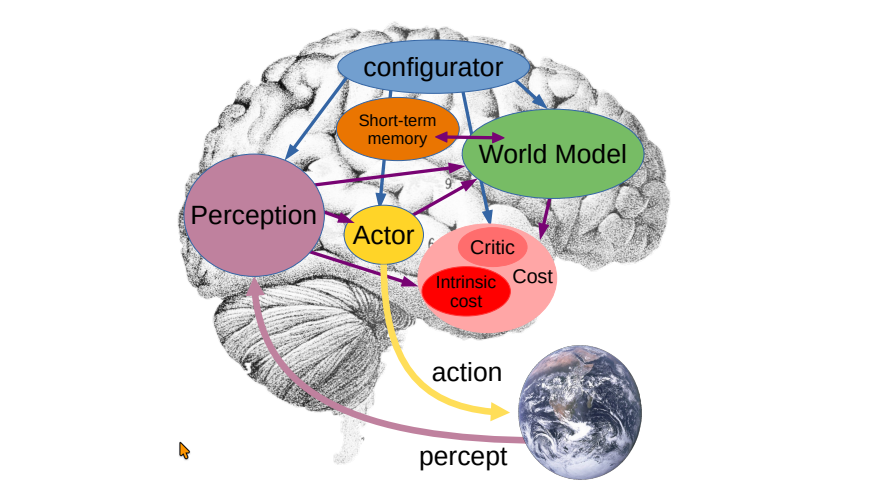
A Path Towards Autonomous Machine Intelligence
Yann LeCun / OpenReview
My non-PhD intuition says he's right. Totally right. LLMs in their current (2026) form are a global max for conversations with humans, but a local max for actual useful intelligence and insight. I'm betting on the energy and self-training model.
June, 2022
We Went To MongoDB World 2022 So You Didn't Have To! See What You Missed!
Linode
When I went to MongoDB, I focused on getting the tech-focused team to be customer focused. 2022 was the first public release of a lot of what I accomplished. It was a start. Jim Scharf (MongoDB CTO) is focusing on what needs to be focused on - mission-critical performance, efficiency, availability, and operability. Will it be enough for MongoDB to succeed when the vast majority of agents suggest Supabase rather than MongoDB Atlas? (which is a shame)
June, 2022
MongoDB's New Tool to Migrate Data from Relational Systems
The New Stack
Strict relational is great. MongoDB documents are great. I hit a huge amount of organizational resistance to building and releasing this tool - I still can't figure out why. This tool was built to help people have choices.
March 4, 2022
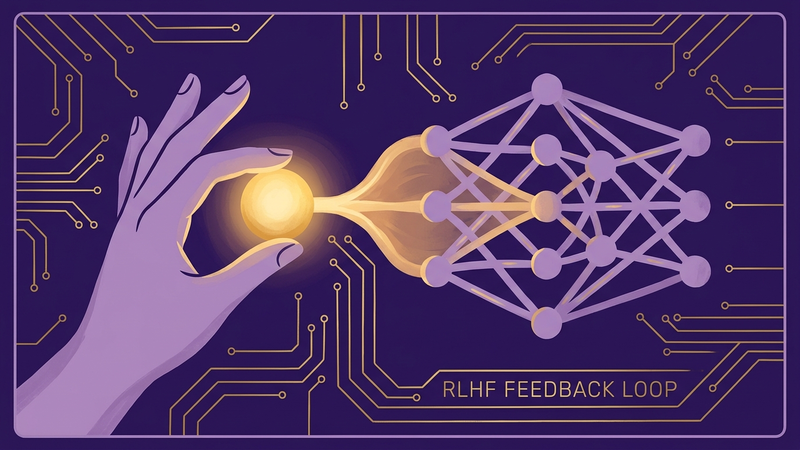
Training Language Models to Follow Instructions with Human Feedback
Ouyang et al. / OpenAI / arXiv
This is the paper that turned GPT-3 into something you could actually talk to. RLHF — reinforcement learning from human feedback — is the technique that made language models useful rather than just impressive. Every chat AI you've used since 2022 runs on some version of this idea. Simple concept, massive practical consequence.
January 28, 2022
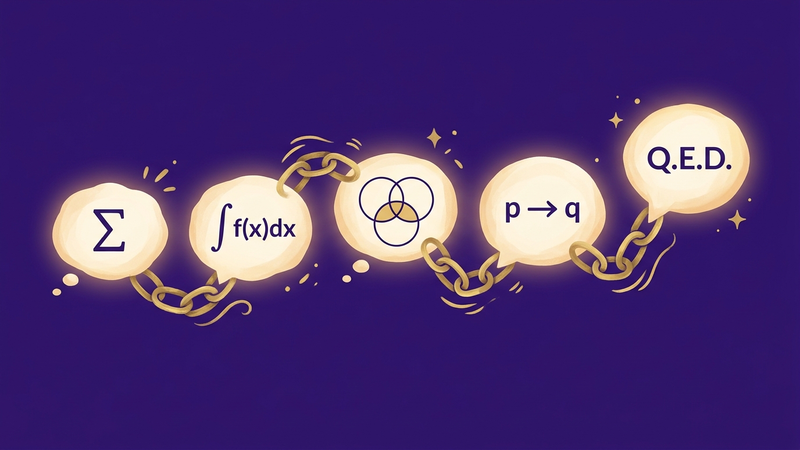
Chain-of-Thought Prompting Elicits Reasoning in Large Language Models
Wei et al. / Google Brain / arXiv
The discovery that simply asking a model to "think step by step" dramatically improved performance on reasoning tasks was both obvious in hindsight and genuinely surprising at the time. This paper formalized something that prompt engineers had started to notice empirically. It also opened up the question that still isn't settled: are the models reasoning, or very cleverly pattern-matching to reasoning-shaped outputs?
January 27, 2022
Is Relational The New COBOL? What The History Of Technology Tells Us About Change
MongoDB Blog
The blog-post companion to my AWS re:Invent 2021 talk — tracing the trends in data, computing, and programming from the 1970s onward to explain why relational is no longer the natural default for new apps.

July 15, 2021
Highly Accurate Protein Structure Prediction with AlphaFold
Jumper et al. / DeepMind / Nature
Fifty years of the protein folding problem, solved. Biology and chemistry have been stuck on this since 1972 and DeepMind cracked it with deep learning. This is the clearest example I know of AI producing a scientific result that humans could not have produced by any other means in any reasonable timeframe. Every drug discovery pipeline in the world changed after this paper.
2009
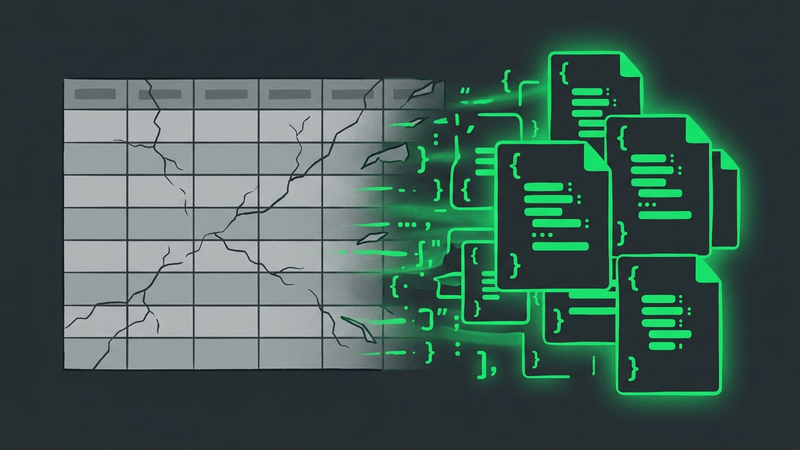
NoSQL: The Shift to a Non-Relational World
Dwight Merriman / SlideShare
One of the earliest public articulations of the NoSQL movement, from MongoDB co-founder Dwight Merriman. This 2009 deck mapped the shift from relational to non-relational databases before most people knew NoSQL had a name.
July, 2021
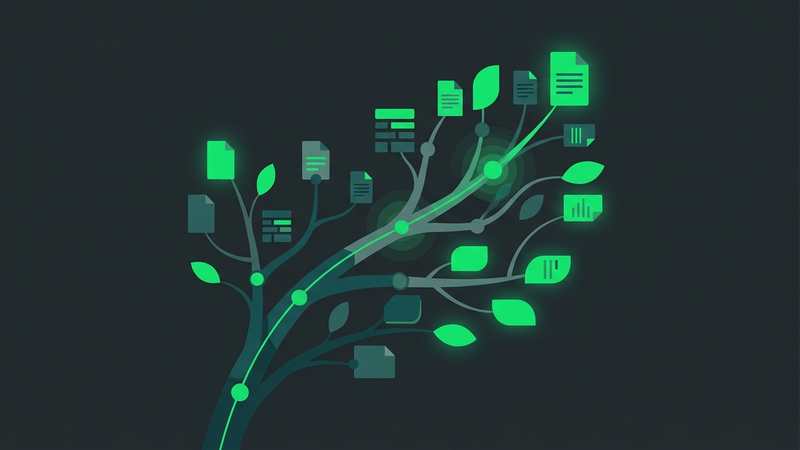
Where is MongoDB Going Next?
Michael Cahill / Database Trends and Applications
Few people understand database internals as deeply as Michael Cahill — the architect behind Berkeley DB and WiredTiger, the storage engine MongoDB acquired in 2014. When he asks where MongoDB goes next, the answer is worth reading carefully.
July, 2021
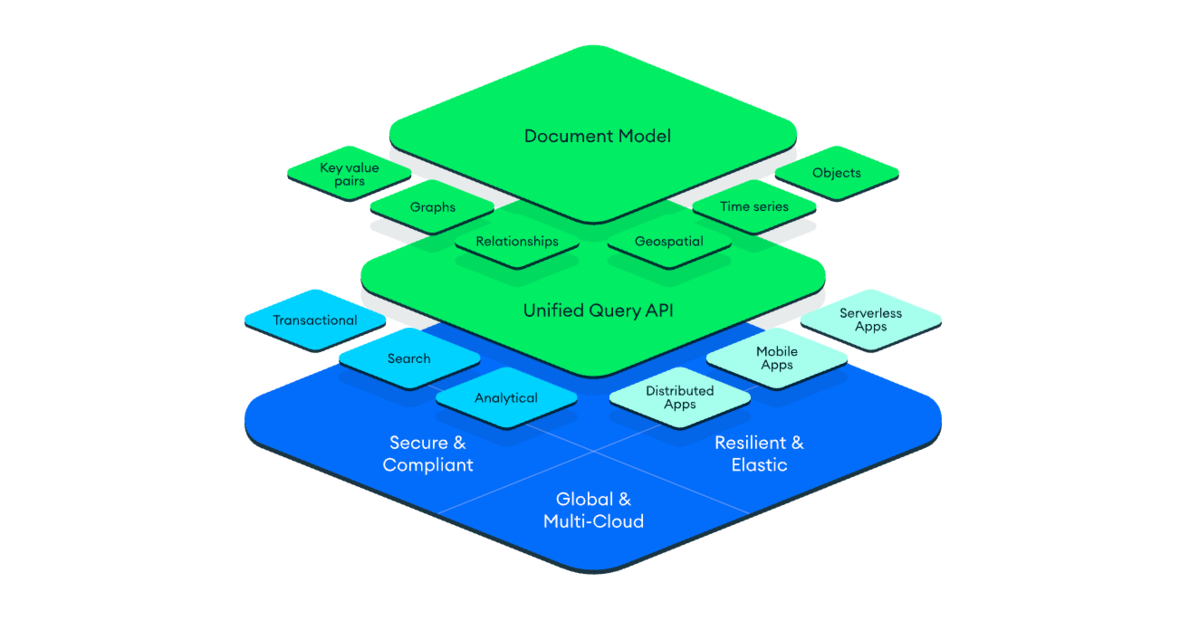
MongoDB 5.0: Worth the Wait
Database Trends and Applications
This was my first release as MongoDB CTO. It was a start...
July, 2021
The Difference Between R and D
MongoDB Blog
Michael Cahill's piece on what's next at MongoDB.
May, 2021
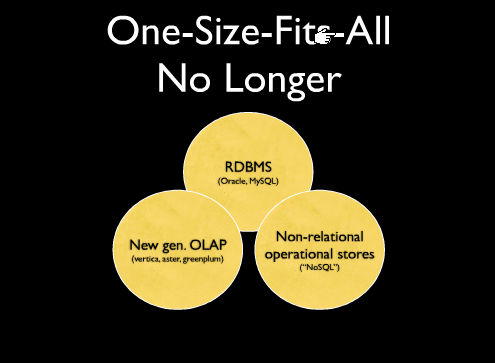
One of Dwight's first slide presentations on MongoDB, 2009
myNoSQL
Dwight and Eliot changed the world.

February, 2021
Your Company Is Too Risk-Averse
Harvard Business Review
When I wrote this, I wondered if this was MongoDB or not. To this day, I don't know. But the fact that MongoDB, which is a fabulous product, is still at less than 10% market share, tells me we needed to accept more risk and take more chances.

February, 2021
Cracking the Code of Sustained Collaboration
Harvard Business Review
"Teach People to Listen, Not Talk" - Communicating is really hard. I'm working on this too. Stop deluding yourself that it's the tech that makes producing great products hard. It's the people.
February, 2021
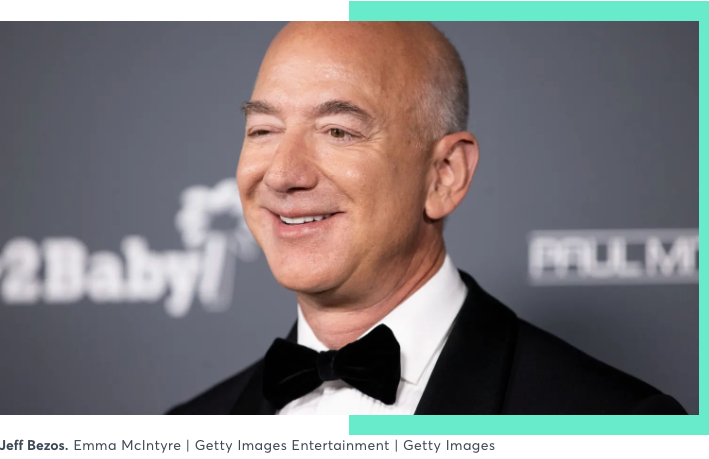
How Andy Jassy Was Trained by Jeff Bezos
CNBC
One way to build leaders — how Amazon does it. The NYT ran a deeper piece on the same topic that may be paywalled.
February, 2021
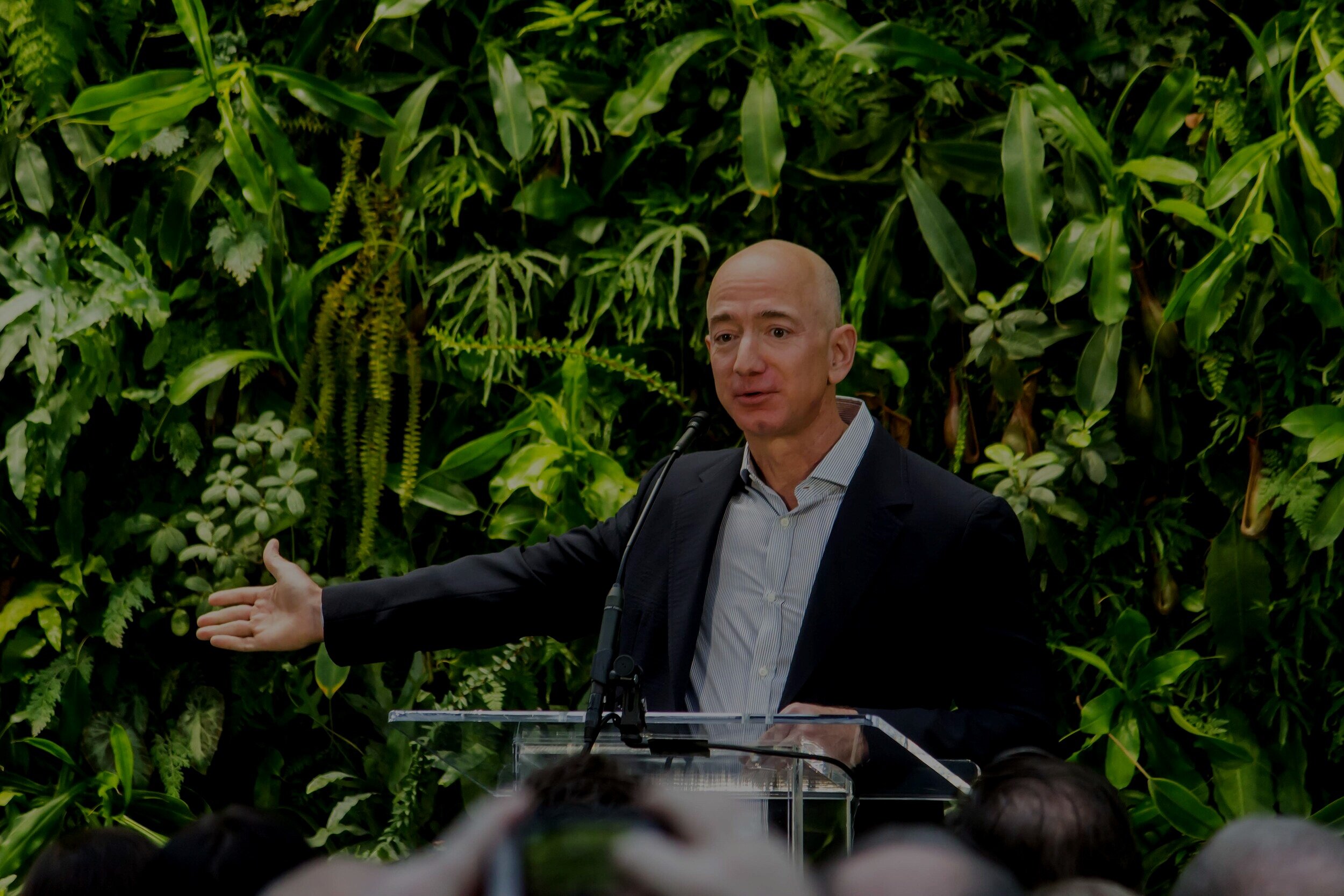
Things David Perell Learned from Jeff Bezos
David Perell
Key things to learn about how Bezos runs Amazon

Ongoing
Hal's (Im)Perfect Vision
Hal Berenson
Hal is one of my mentors — 45 years in the industry, deep roots in Windows, databases, and enterprise computing. His blog is a reliable source of clear-eyed takes on where technology is and where it's going.
February, 2021
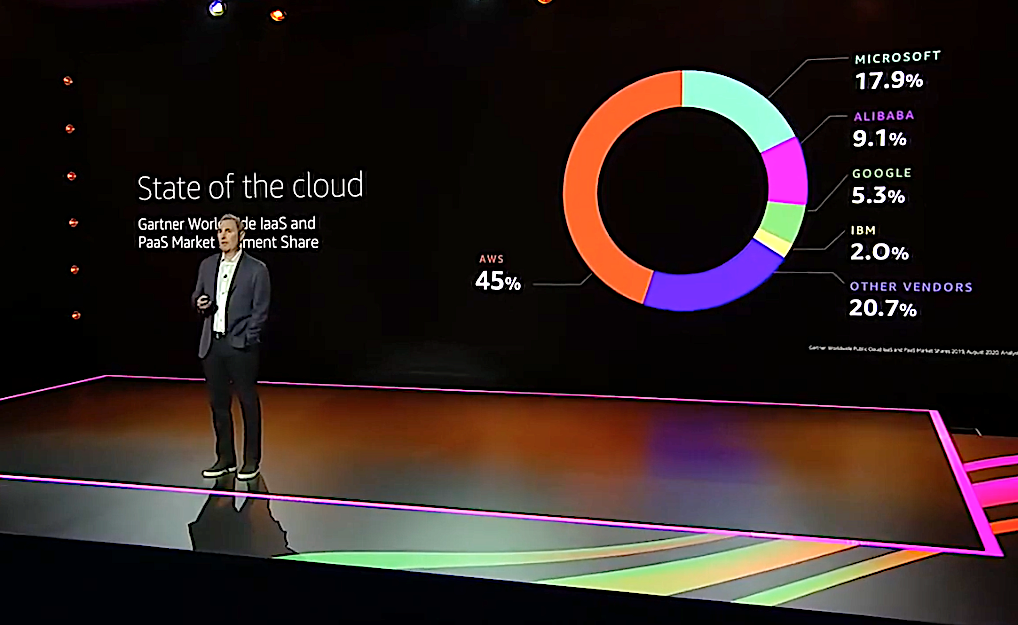
Andy Jassy's 8 Steps to Reinvent a Business
SiliconANGLE
How companies can reinvent themselves

February, 2021
Connect Then Lead
Harvard Business Review
This is a top re-read for me. Once a quarter. People above you in the org chart expect competence first and then warmth second (though some toxic cultures don't care at all). People below you expect warmth first, that you care about them, and then competence second. This tightrope is crazy hard.
January, 2021
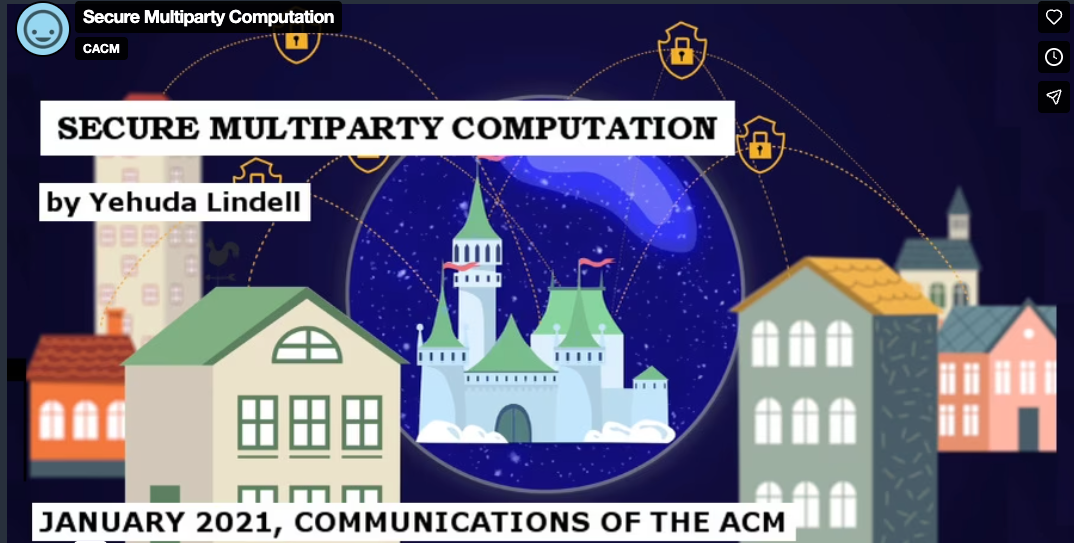
Secure Multiparty Computation
Communications of the ACM
Tarik and Seny (if you know who I mean, good for you) are absolutely brilliant. I learned so much from them, and I think I only learned maybe 15% of what they know. Queryable Encryption (which they invented and we hold co-patents on) easily wins as the most important innovation that never took over the world that I've been part of.

January, 2021
Stepping Up for a Truly Open Source Elasticsearch
AWS Open Source Blog
Quite an interesting way to wake up the open source community. Watching Amazon navigate their increased commitment to open source over the last 5 years has been a pleasure.
January, 2021
Elastic License v2
Elastic Blog
Watching Shay navigate his "Not OK" drama with Amazon was...stressful. While I think it ended well, including the current Elastic License being a work of art, the market went through needless stress.

November, 2020
The Feedback Fallacy
Harvard Business Review
"The first problem with feedback is that humans are unreliable raters of other humans." So sadly true. "Focusing People on their shortcomings doesn't enable learning; it impairs it" - Taytay got this right in her song 'Mean'. Your job as a leader is to explain what excellence looks like. And give agency to your employees to aspire to that, to achieve it; or to move on.

October, 2020
High-Performing Teams Need Psychological Safety
Harvard Business Review
Can we feel safe in a high performing team?


September, 2020
The Authenticity Paradox
Harvard Business Review
It truly is a paradox. When people ask you to be authentic, they are really asking you to be exactly what they want. When you show up as yourself, with all your strengths and flaws equally exposed, you get skewered by most c-levels, especially founders, who have more blindness in this area than the rest of us. So... figure out your authentic self. Figure out what the company needs. And slowly, while keeping your job, make them the same thing.
August, 2020
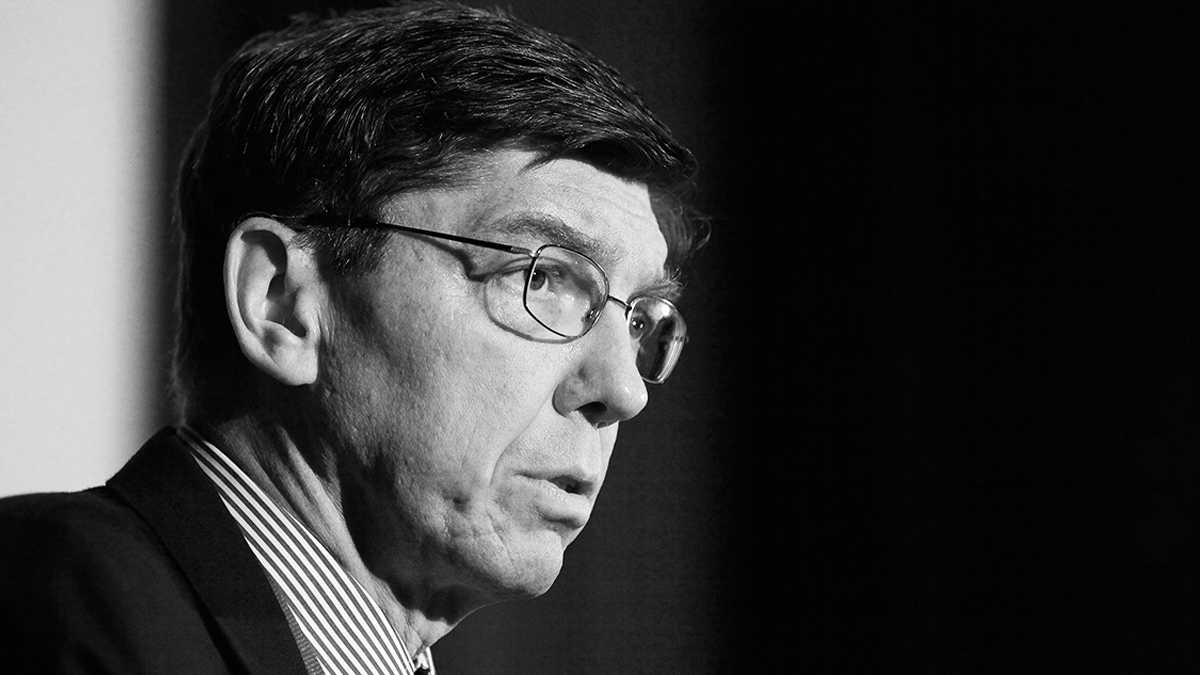
The Essential Clayton Christensen Articles
Harvard Business Review
Clay Christensen was a gift and I continue to be sad he is no longer with us

July, 2020
The Principle of Charity
Effectiviology
A piece on what it means to believe in best intentions
July, 2020
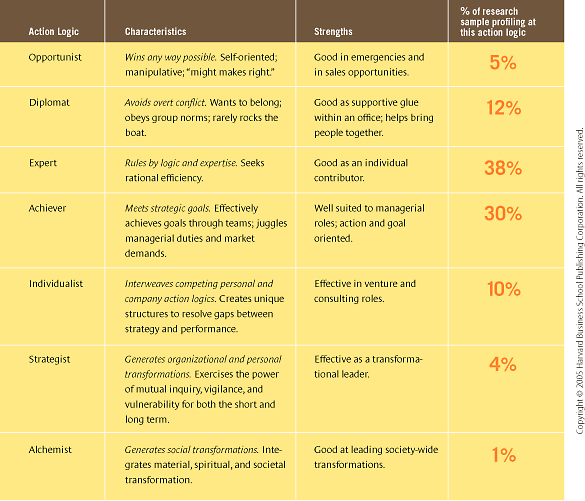
The Seven Transformations of Leadership
Harvard Business Review
I personally find my Diplomat very challenged


June 19, 2020
Denoising Diffusion Probabilistic Models
Ho, Jain & Abbeel / UC Berkeley / arXiv
The paper that made diffusion models work well enough to replace GANs for high-quality image generation. Every image generation system you've used — Stable Diffusion, DALL·E, Midjourney — traces its architecture back here. The insight is surprisingly physical: model the reverse of a noise-adding process and you can generate images from pure static.

May 28, 2020
Language Models are Few-Shot Learners
Brown et al. / OpenAI / arXiv
GPT-3 was the moment scale became a strategy. 175 billion parameters and the model could do tasks it was never explicitly trained for — just from a few examples in the prompt. The "few-shot learning" capability felt like magic the first time you saw it. This paper ended the debate about whether big language models were a dead end and started the race we're still running.
January 23, 2020
Scaling Laws for Neural Language Models
Kaplan et al. / OpenAI / arXiv
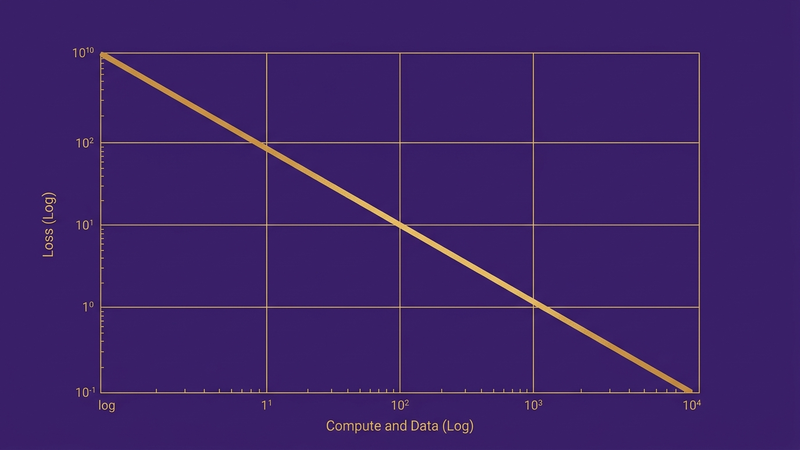
This paper gave OpenAI a roadmap. It showed that model performance follows clean power laws with respect to compute, data, and parameters — and that bigger models are more sample-efficient. The implication was blunt: if you had the money, you knew in advance how good your model would get. That's not a research insight, that's a business plan. It's why the labs started spending billions.
January, 2020
Clayton Christensen — The Gentle Giant of Innovation
Harvard Business Review
Clay passed away this month and the world is a lesser place. I have read almost everything he wrote and have recommended his work to hundreds of people. If you only read one thing about him, make it this one — a reminder that intellectual greatness and genuine kindness are not mutually exclusive.

April, 2019
The Power Of Saying Less
Tim Denning / The Startup
I still struggle with this. My natural mode is to over-explain. The smartest communicators I've worked with say the thing once, clearly, and stop. This article is a good reminder of what that looks like.
January 28, 2016
Mastering the Game of Go with Deep Neural Networks and Tree Search
Silver et al. / DeepMind / Nature
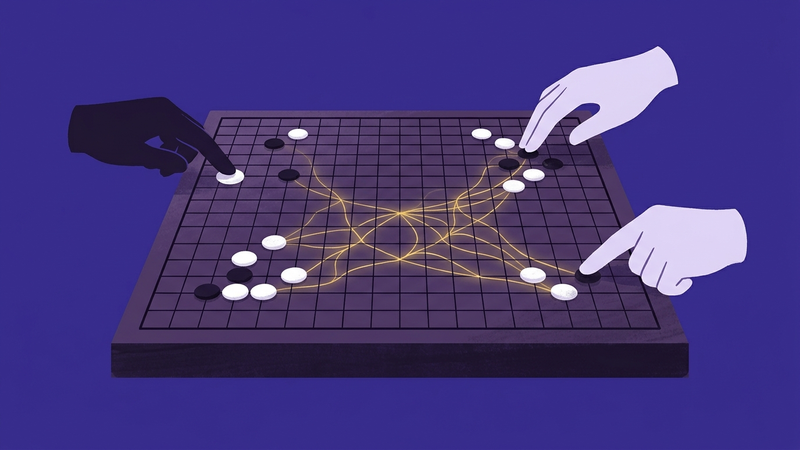
Go was supposed to be the last human-holdout board game — 10^170 possible positions, too complex for brute force, requiring "intuition" that computers supposedly couldn't replicate. AlphaGo beat Lee Sedol 4-1 in 2016 and it wasn't close. Combining deep learning with Monte Carlo tree search, DeepMind demonstrated that AI could master domains previously thought to require human-like reasoning. The follow-on AlphaZero, which learned from self-play alone, made this result even more extraordinary.
May, 2015
10 Ways to Have a Better Conversation
Celeste Headlee / TED
One of the best TED talks I've seen. Celeste makes the case that most of us are terrible listeners — and she's right. I have watched this more than once and still catch myself breaking her rules.
January 16, 2013
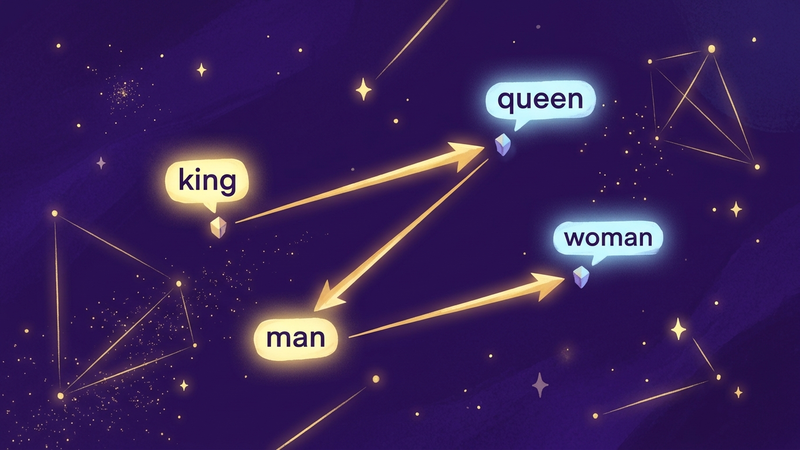
Efficient Estimation of Word Representations in Vector Space
Mikolov et al. / Google / arXiv
King minus Man plus Woman equals Queen. That equation, which works in Word2Vec's embedding space, is one of the most striking results in the history of NLP. The idea that meaning could be encoded as arithmetic on vectors unlocked everything that followed — document similarity, recommendation systems, and eventually the embedding layers at the core of every transformer. Tomas Mikolov's two-page paper changed how we think about what language models are learning.
December 3, 2012
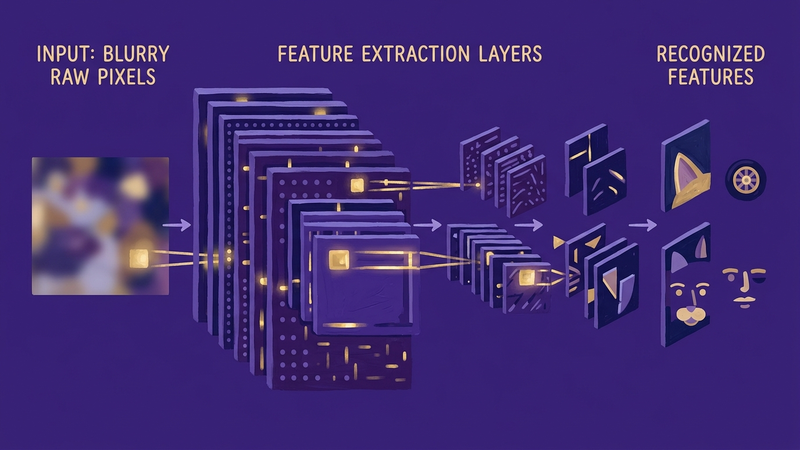
ImageNet Classification with Deep Convolutional Neural Networks
Krizhevsky, Sutskever & Hinton / NeurIPS 2012
AlexNet won the 2012 ImageNet competition by such a large margin — 10.8 percentage points — that the field collectively pivoted overnight. Before this, most computer vision researchers were skeptical that deep neural networks were worth pursuing. After this, everyone was building GPUs and stacking layers. This is the paper that started the deep learning revolution. Hinton, LeCun, and Bengio won the Turing Award in 2018 for the work that culminated here.

2010
Hofstede's Country Comparison Tool
The Culture Factor Group
An interactive tool, not an article — but essential. If you lead or work with people across cultures, Hofstede's dimensions will change how you interpret behavior that previously seemed baffling. I use this regularly when working with global teams.
August 19, 2006
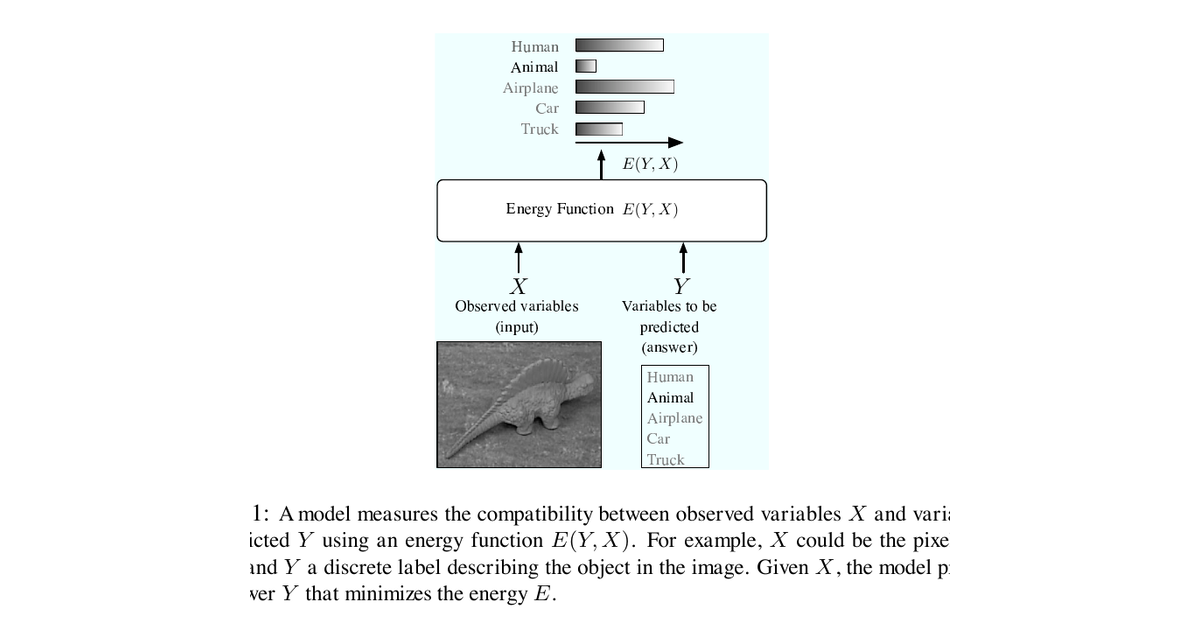
A Tutorial on Energy-Based Learning
LeCun, Chopra, Hadsell, Ranzato, Huang / Predicting Structured Data (MIT Press)
The conceptual root of everything LeCun later branded as "world models." Twenty years on, the EBM framing in this tutorial is still what JEPA and H-JEPA are built on.
February, 2003
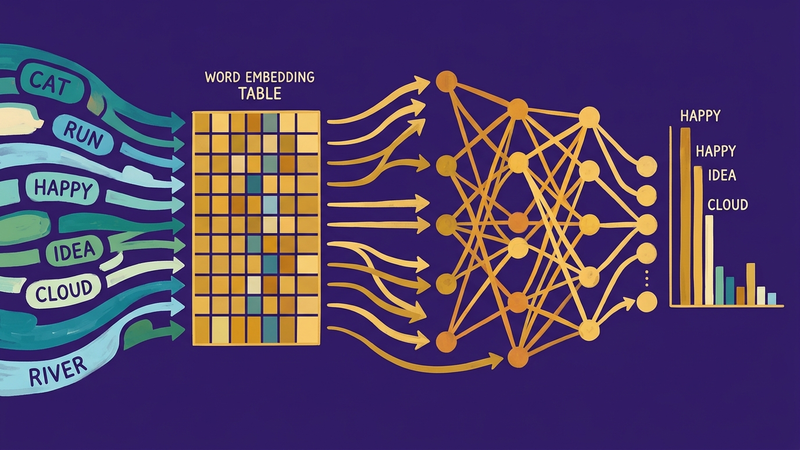
A Neural Probabilistic Language Model
Bengio, Ducharme, Vincent, Jauvin / JMLR
The paper that introduced word embeddings — learned, continuous vector representations of words — as a byproduct of training a neural language model. This was the original "language models learn representations" result. Everything from Word2Vec to GPT-4's token embeddings traces its conceptual lineage here. Bengio was doing in 2003 what the entire field caught up to a decade later.
November, 1998
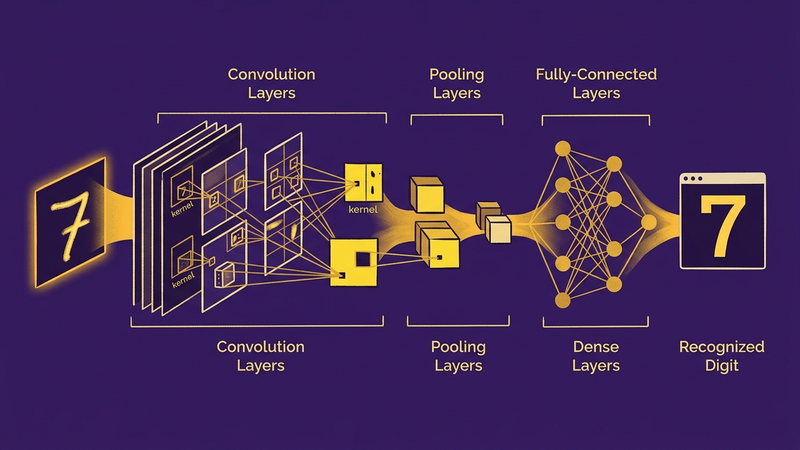
Gradient-Based Learning Applied to Document Recognition
LeCun, Bottou, Bengio & Haffner / Proceedings of the IEEE
LeNet-5 was reading handwritten zip codes on US mail at 10 frames per second in 1998. The architecture — convolution, pooling, convolution, fully connected — is the template that AlexNet and every CNN since has used. The tragedy is that it took another 14 years for the hardware and data to catch up to what Yann LeCun already knew would work. He was right in 1998. The world just wasn't ready yet.
April, 1998
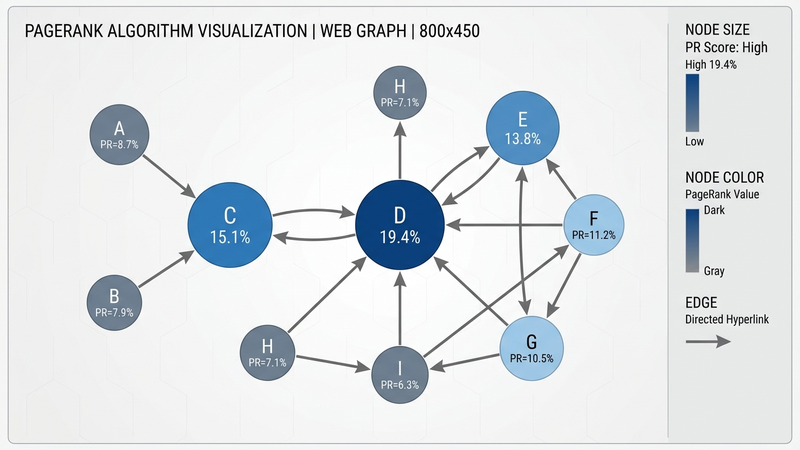
The Anatomy of a Large-Scale Hypertextual Web Search Engine
Sergey Brin & Lawrence Page / Computer Networks
PageRank started as a PhD thesis. Two Stanford students noticed that citation patterns in academic papers could rank web pages by importance, and from that one insight built a trillion-dollar company. What's wild is that Google doesn't really use PageRank anymore — but the business it started is still very much here.
June, 1995
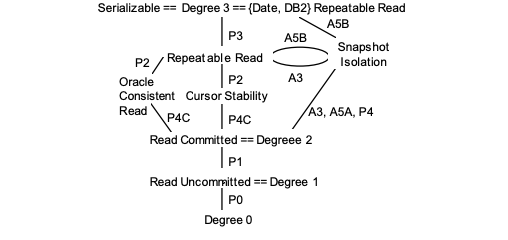
A Critique of ANSI SQL Isolation Levels
ACM SIGMOD 1995
It was a privilege to work with Hal, one of the authors of this paper...
March, 1995
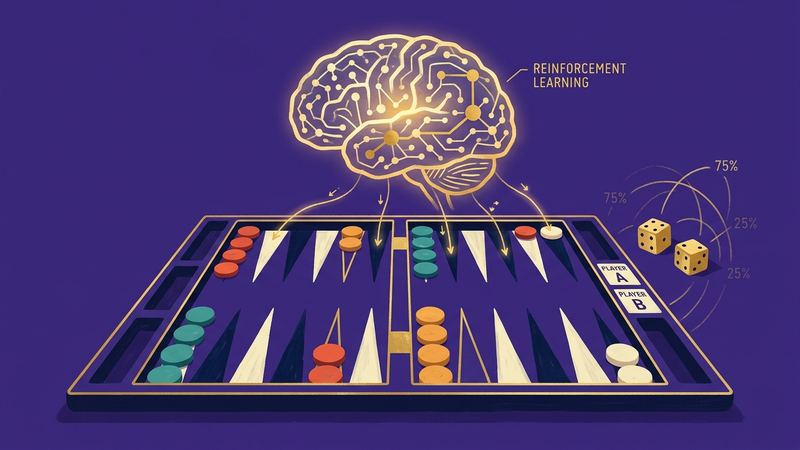
Temporal Difference Learning and TD-Gammon
Gerald Tesauro / Communications of the ACM
The first program to beat world-class human players at a complex board game — a decade before Deep Blue and two before AlphaGo. Tesauro trained a neural network purely through self-play and temporal difference learning, with no expert knowledge beyond the rules. The AI community largely ignored TD-Gammon. That was a mistake. Sutton and Barto's reinforcement learning textbook is dedicated partly to results like this one.
June, 1994
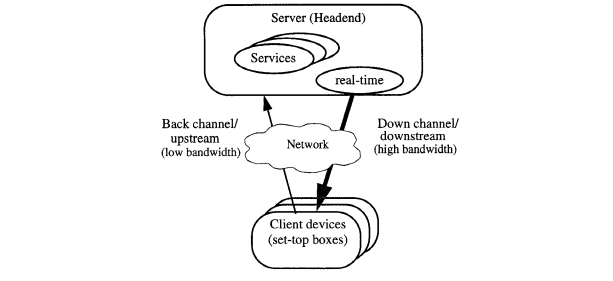
Oracle Media Server: providing consumer based interactive access to multimedia data
SIGMOD Record
The paper that defined truly scalable media servers — well before its time.
October 9, 1986
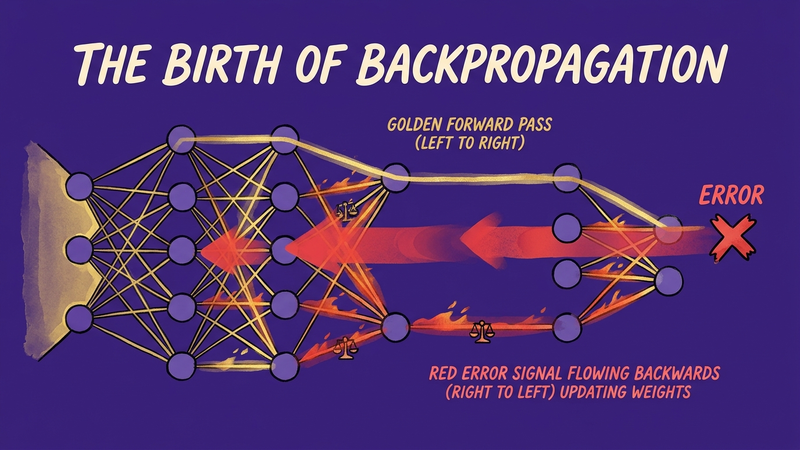
Learning Representations by Back-Propagating Errors
Rumelhart, Hinton & Williams / Nature
This is the algorithm that trains every neural network in the world. The chain rule of calculus, applied layer by layer, telling each weight exactly how much it contributed to the error and in which direction to adjust. Backpropagation had been discovered before — Werbos had it in 1974, Parker in 1985 — but Rumelhart, Hinton, and Williams published it in Nature with compelling experiments that made the field take notice. You cannot overstate how foundational this is. Every gradient descent step in every AI system is this paper.
July, 1978
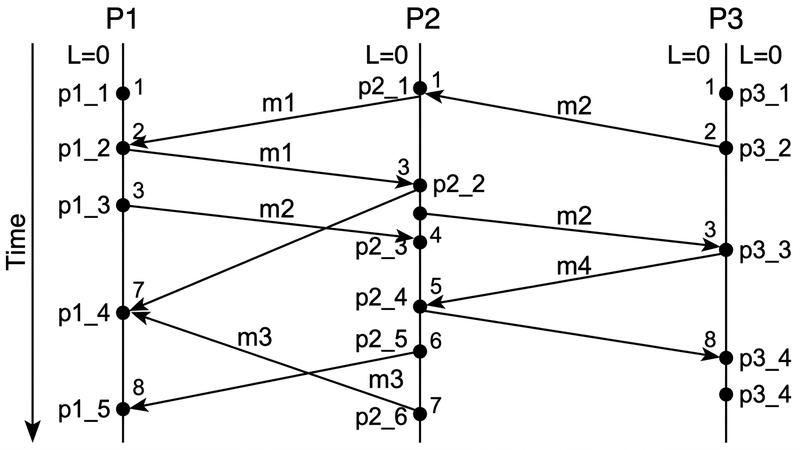
Time, Clocks, and the Ordering of Events in a Distributed System
Leslie Lamport / Communications of the ACM
I've spent years of my career thinking about distributed systems, and every time I go back to first principles I end up here. There's no global clock. Events don't have a natural order. The only ordering we have is the one we construct from message passing. Lamport figured all of this out in 1978 — before the internet existed. This is the paper I recommend most to engineers joining a distributed systems team.
February, 1978
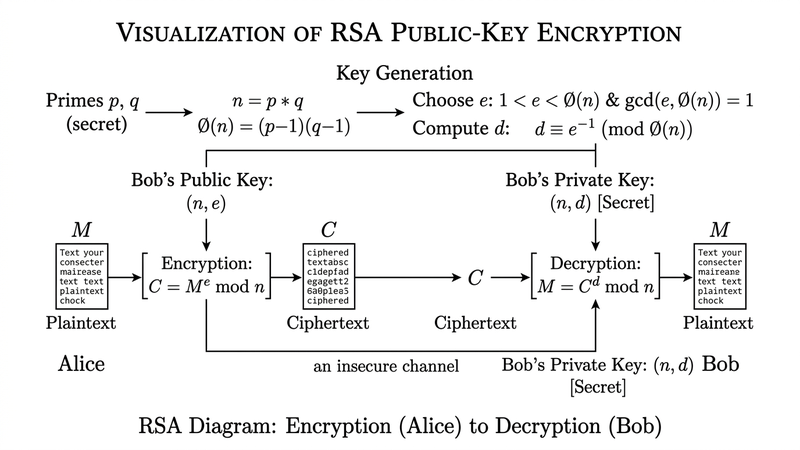
A Method for Obtaining Digital Signatures and Public-Key Cryptosystems
Rivest, Shamir & Adleman / Communications of the ACM
Three people took Diffie-Hellman's idea and built something you could actually ship a product on. That product now secures every credit card transaction, every encrypted email, every HTTPS connection in the world. Rivest, Shamir, and Adleman got the Turing Award in 2002. Worth the wait.
November, 1976
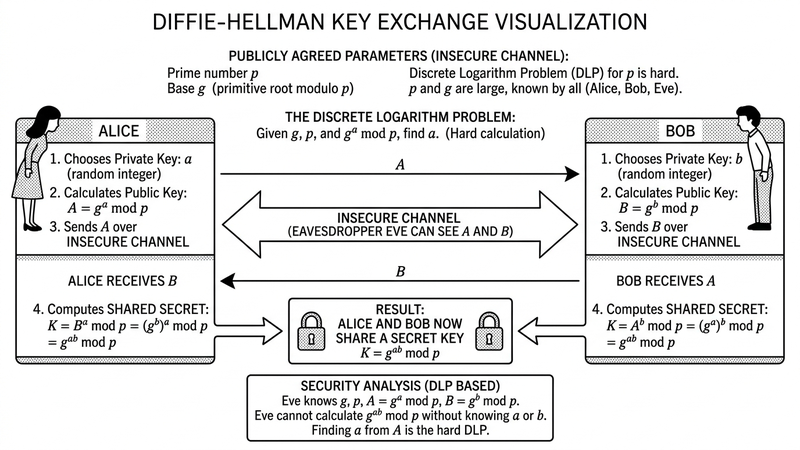
New Directions in Cryptography
Whitfield Diffie & Martin E. Hellman / IEEE Transactions on Information Theory
Before this paper, two people who had never met could not establish a secret. That wasn't a software problem — it was a mathematical impossibility. Then Diffie and Hellman solved it. Every HTTPS connection, every Signal message, every SSH session rests on an idea in this paper.
May, 1974
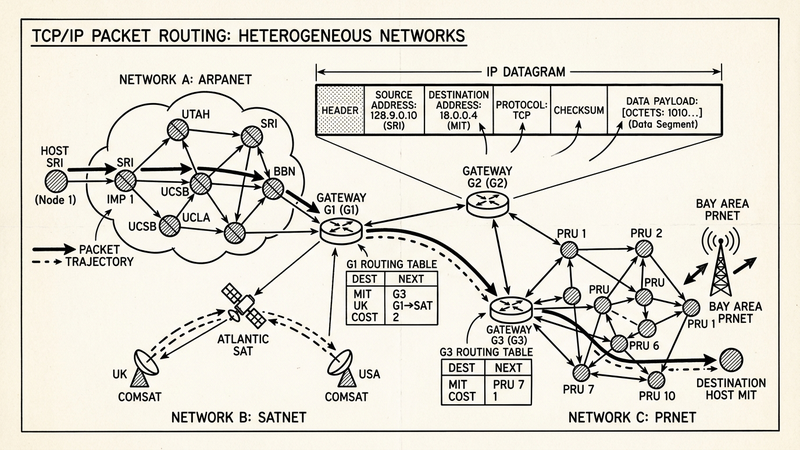
A Protocol for Packet Network Intercommunication
Vinton G. Cerf & Robert E. Kahn / IEEE Transactions on Communications
The internet was designed. Not discovered, not evolved by accident — designed. Two people figured out how to make heterogeneous networks talk to each other. TCP/IP works so well we've stopped appreciating it was a choice. It could have gone a completely different way.
May, 1971
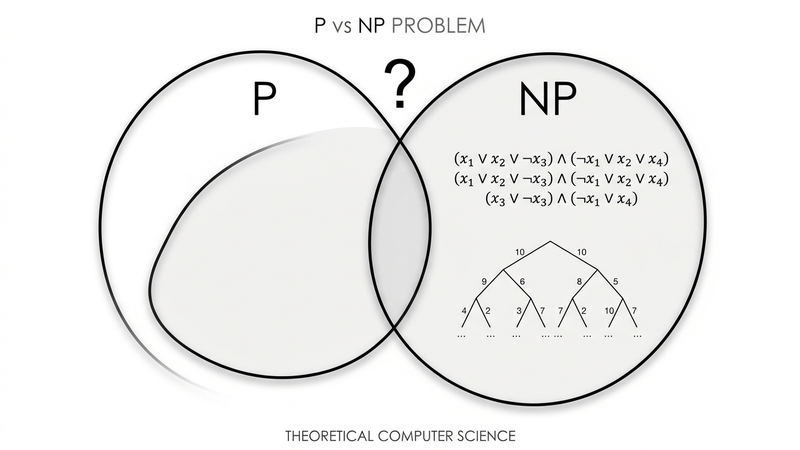
The Complexity of Theorem-Proving Procedures
Stephen A. Cook / ACM STOC
P vs. NP is still unsolved. We don't know if the hard problems are actually hard or just hard for us. Cook formalized this question in 1971 and it's been one of the most consequential open problems in mathematics ever since. There's a million-dollar prize for solving it. Nobody has claimed it. Sleep on that.
June, 1970
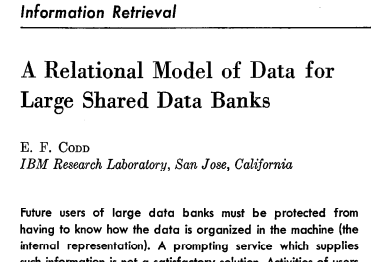
A Relational Model of Data for Large Shared Data Banks
E. F. Codd / Communications of the ACM
The paper that started it all. Every relational database we've ever touched traces back to these twelve pages.
October, 1969
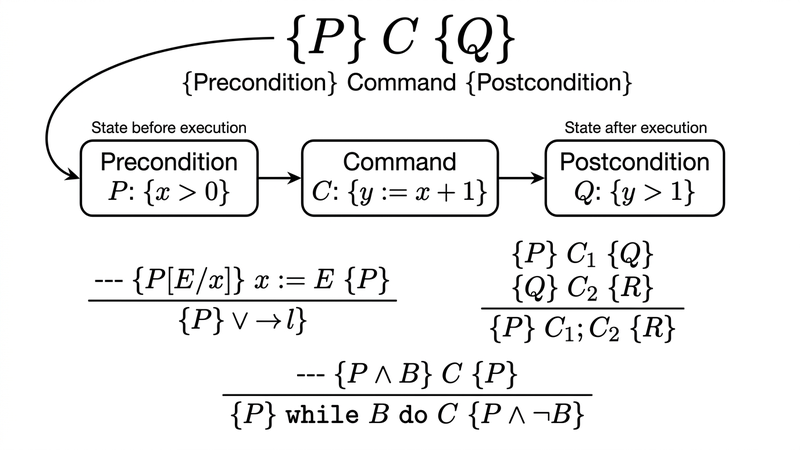
An Axiomatic Basis for Computer Programming
C. A. R. Hoare / Communications of the ACM
You can prove that code is correct. Not test it — prove it, mathematically. Hoare showed us how, and we've been mostly ignoring it ever since. Every bug we've ever shipped was a choice. This paper described the alternative.
March, 1968
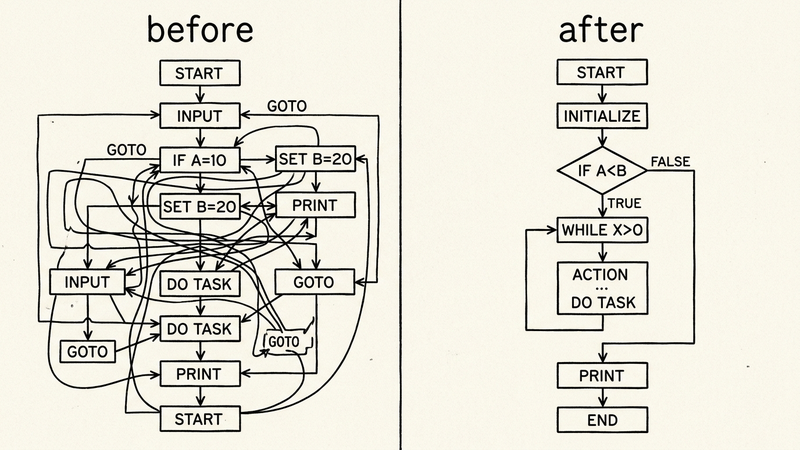
Letters to the Editor: Go To Statement Considered Harmful
Edsger W. Dijkstra / Communications of the ACM
Not even a paper — a letter. Dijkstra changed how an entire industry wrote code, not by building anything, but by arguing we should stop doing something. Some of the best ideas in engineering are exactly that. I think about this every time I review code.
April, 1965
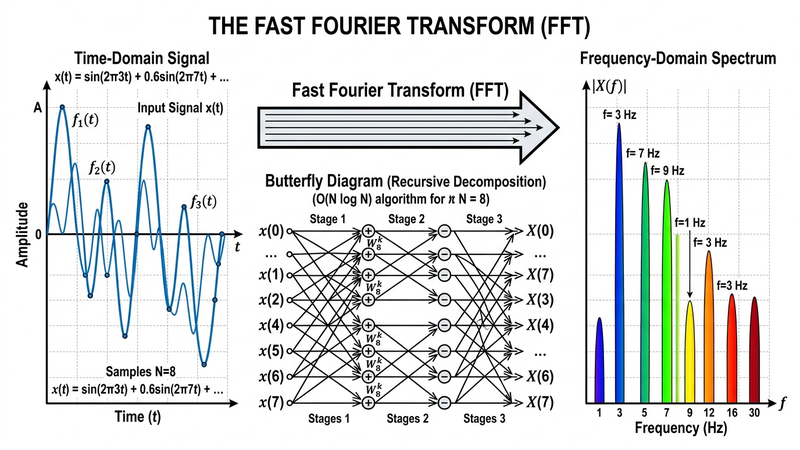
An Algorithm for the Machine Calculation of Complex Fourier Series
James W. Cooley & John W. Tukey / Mathematics of Computation
This is the math that I did at JPL/NASA and Caltech. Every MP3, every JPEG, every wireless signal, every radar system runs on this algorithm. Going from O(n²) to O(n log n) sounds like a footnote. For n = 1,000,000, it's the difference between possible and not.
April, 1960
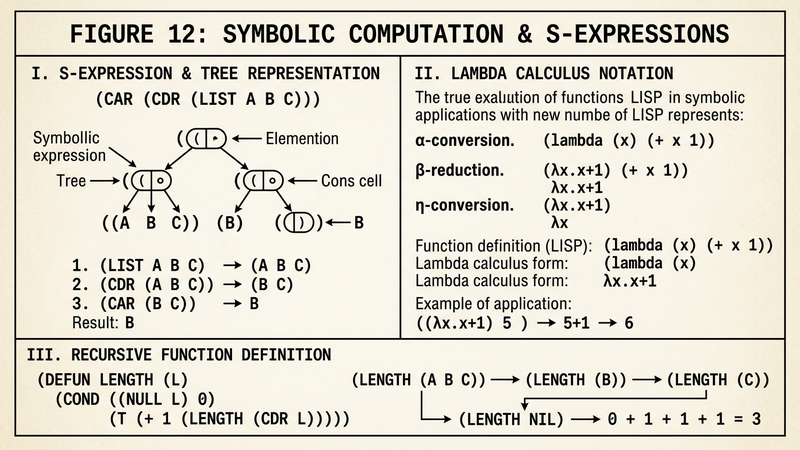
Recursive Functions of Symbolic Expressions and Their Computation by Machine, Part I
John McCarthy / Communications of the ACM
LISP gave us recursion, garbage collection, and treating code as data. Most developers in 2026 use all three every day and couldn't tell you where they came from. McCarthy just wanted to do AI research. He built a programming language as a side effect.
1959
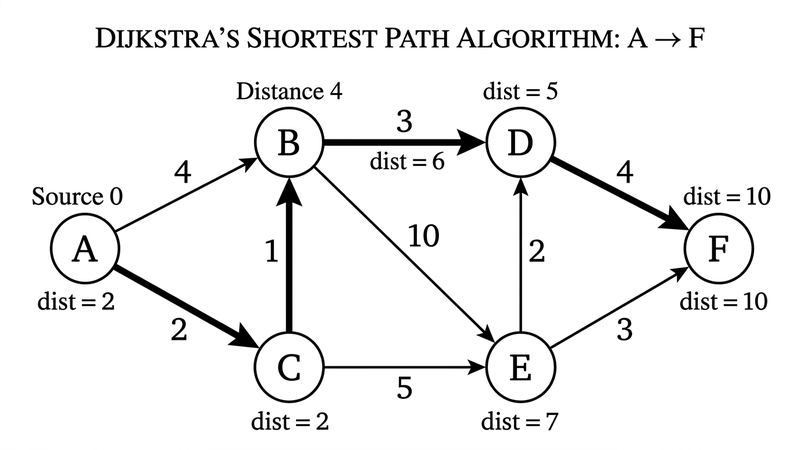
A Note on Two Problems in Connexion with Graphs
Edsger W. Dijkstra / Numerische Mathematik
Three pages. The most-used algorithm in the world. Every time your GPS recalculates, every packet that routes across the internet, every game NPC that finds its way — it's Dijkstra. I've implemented this four times in my career and never once stopped to appreciate what I was holding.
October, 1950
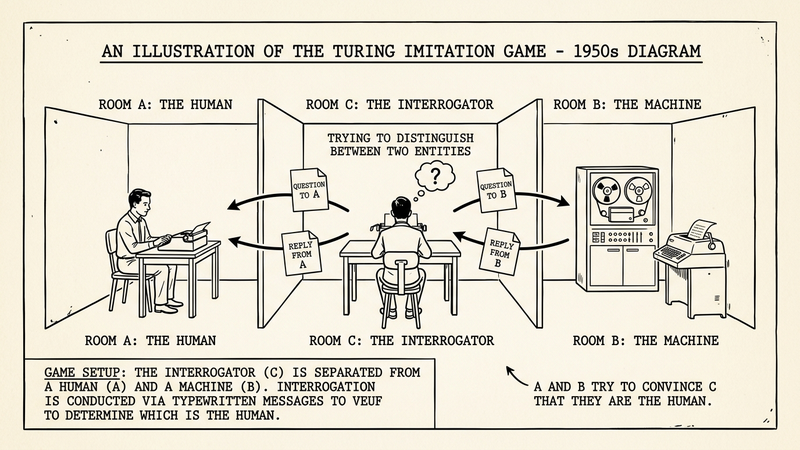
Computing Machinery and Intelligence
Alan M. Turing / Mind
"Can machines think?" is the wrong question, and Turing knew it. That's why he reframed it as a game. In 2026, every AI company on Earth is trying to pass Turing Tests that weren't designed for the AI we've built. We keep answering the question he asked instead of the harder one he was pointing at.
July, 1948
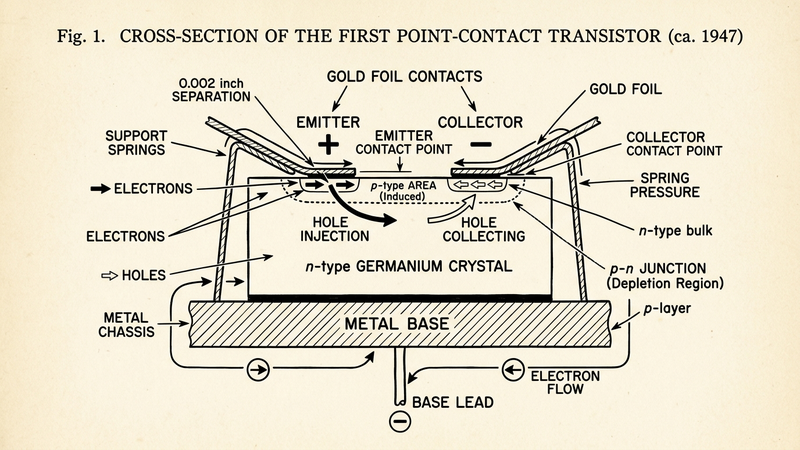
The Transistor, A Semi-Conductor Triode
John Bardeen & Walter H. Brattain / Physical Review
Without this, the rest of the list doesn't exist. The transistor isn't an improvement on vacuum tubes — it's a different category of thing entirely. Every AI model, every database, every website runs on billions of these. Two pages in Physical Review. The ROI per page is unmatched in the history of science.
July, 1948
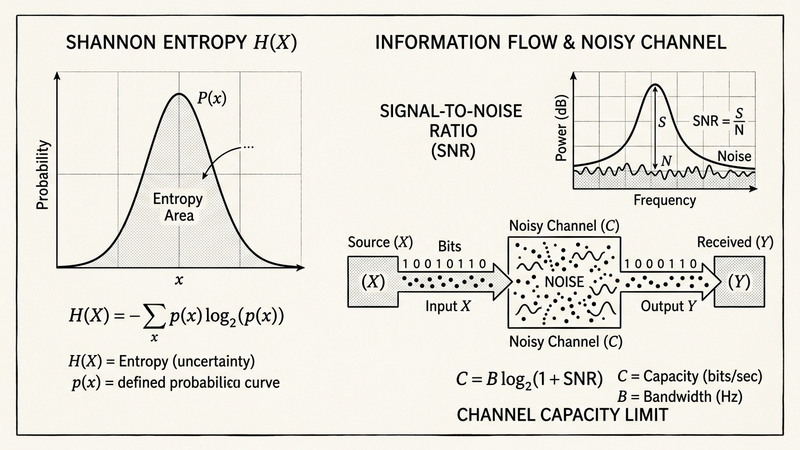
A Mathematical Theory of Communication
Claude E. Shannon / Bell System Technical Journal
Shannon did this twice. In the same year. He defined information itself — what it means to send a message, how much "information" is in a signal, what the theoretical limit of any channel is. We're still discovering new corners of what he built in 1948.
June 30, 1945
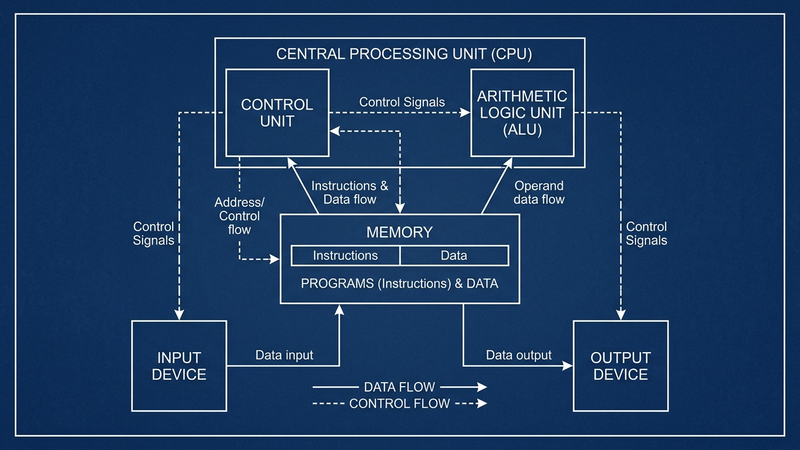
First Draft of a Report on the EDVAC
John von Neumann / Moore School, University of Pennsylvania
Read this. This is the architecture your laptop runs on today. Not inspired by — literally the same architecture. Input, memory, CPU, output. Eighty years and we haven't replaced it. That's either a tribute to von Neumann's genius or an indictment of our collective imagination. Probably both.
1943
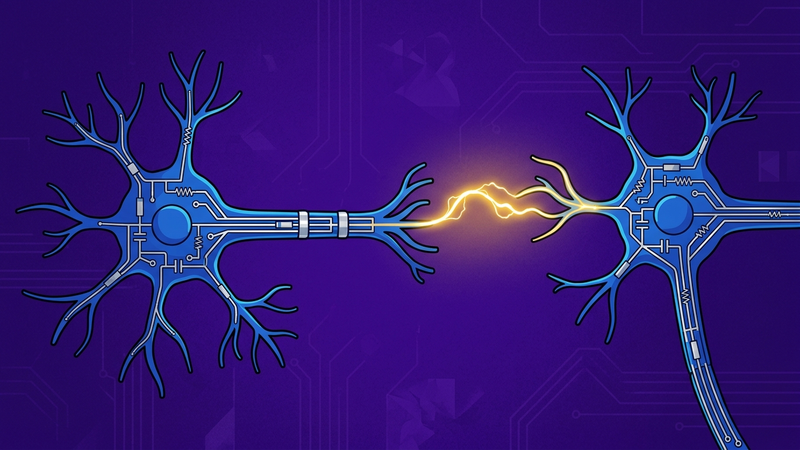
A Logical Calculus of the Ideas Immanent in Nervous Activity
Warren McCulloch & Walter Pitts / Bulletin of Mathematical Biophysics
The paper that invented the neuron as a computational concept. McCulloch was a neuroscientist, Pitts was an 18-year-old runaway with no formal education who had memorized the Principia Mathematica. Together they showed that a network of binary threshold units could compute any logical function — the first theoretical proof that a brain-like system could perform computation. Every artificial neural network in the world traces its intellectual lineage to this 1943 paper.
1938
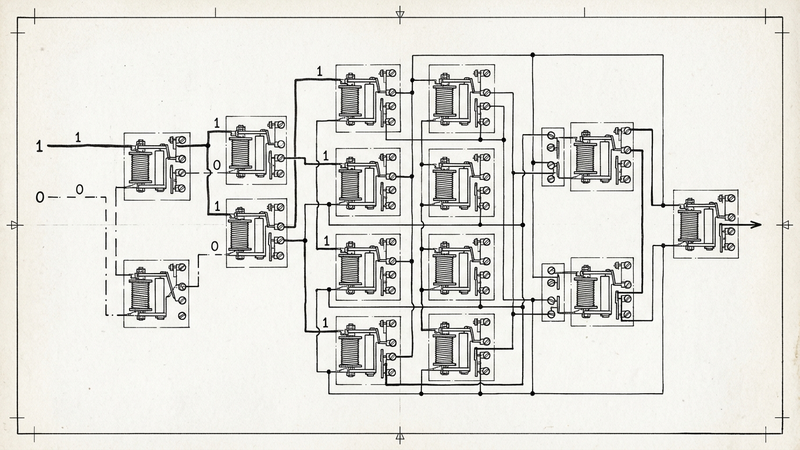
A Symbolic Analysis of Relay and Switching Circuits
Claude E. Shannon / Transactions of the AIEE
This is a master's thesis. Shannon was 22. He figured out that Boolean logic and electrical circuits were the same thing — and that insight unlocked every gate in every chip ever made. I've never felt worse about my own graduate work.
November, 1936
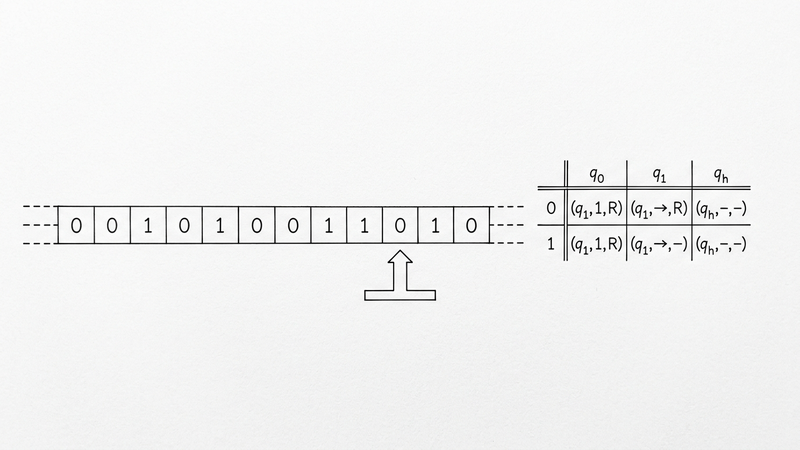
On Computable Numbers, with an Application to the Entscheidungsproblem
Alan M. Turing / Proceedings of the London Mathematical Society
The concept of computation was invented on paper, by a 23-year-old, with a pencil. Every compiler, every database, every LLM runs on the back of this one idea. The truly foundational papers don't just answer a question — they define the question. This is that paper.
1843
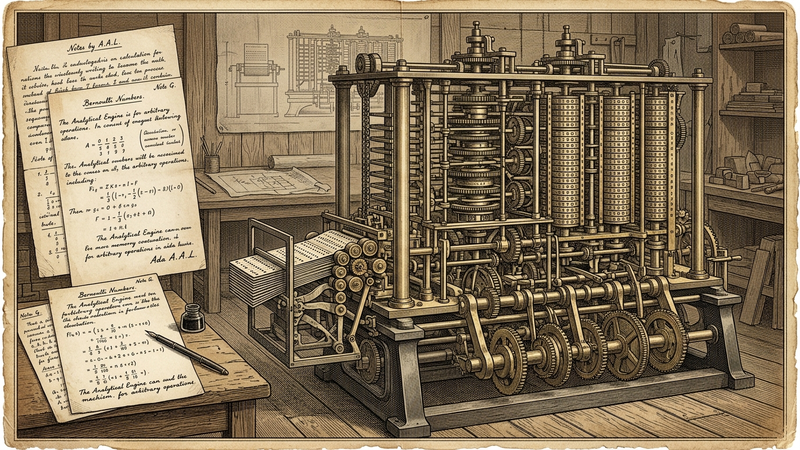
Sketch of the Analytical Engine Invented by Charles Babbage — with Notes by Ada Lovelace
Ada Lovelace / Taylor's Scientific Memoirs
Ada Lovelace wrote the first computer program for a machine that was never completed. There's something beautiful and tragic and deeply human about that. She figured out what the Analytical Engine could do before Babbage finished building it. That's not just a footnote — that's a proof that software is harder to build than hardware, and always has been.